You Won’t Believe What I Found in Maldives’ Maafushi – Nature’s Hidden Playground
Ever thought a tiny island could hold such wild natural beauty? I didn’t—until I landed in Maafushi. Turquoise waves, untouched reefs, and skies that glow like fire at sunset. This isn’t just another beach escape. It’s a front-row seat to nature’s most dazzling show. With the right moves, you’ll see the magic most tourists miss. Let me show you how to unlock Maafushi’s raw, breathtaking side—no guesswork, just real experience.
Why Maafushi Stands Out in the Maldives
Among the scattered jewels of the Maldives, Maafushi shines with authenticity. While many travelers are drawn to private-island resorts with their curated luxury and exclusive beaches, Maafushi offers something rarer: a living island community where nature and daily life exist in harmony. As one of the first local islands officially opened to foreign tourists, it has evolved thoughtfully, balancing accessibility with preservation. Here, you won’t find overwater villas or champagne-filled arrival rituals—instead, you’ll encounter friendly locals, family-run guesthouses, and an environment that feels refreshingly unpolished.
Located in the Kaafu Atoll, Maafushi sits in a prime position for experiencing the Indian Ocean at its most vibrant. The surrounding waters are known for exceptional clarity, often exceeding 30 meters of visibility during the dry season. This clarity isn’t just pleasing to the eye—it supports thriving coral ecosystems that attract a dazzling variety of marine life. Unlike more remote atolls that require seaplanes or long boat rides, Maafushi is just a 30-minute speedboat ride from Malé International Airport, making it an ideal starting point for travelers who want to dive into island life without enduring a complicated journey.
What truly sets Maafushi apart is its accessibility to both culture and nature. You can sip fresh coconut water at a beachside stall, chat with a fisherman mending his nets, and then within minutes be floating above a coral garden alive with color. The island’s small size—just over two square kilometers—means nothing is ever far away, yet its layout preserves quiet corners and natural edges. There are no large resorts blocking the shoreline, so the beach remains public and open, offering uninterrupted access to the sea. This blend of convenience, authenticity, and ecological richness makes Maafushi a standout choice for travelers seeking a deeper connection with the Maldives.
Timing Your Visit for Maximum Natural Impact
The difference between an ordinary trip and an extraordinary one often comes down to timing. In Maafushi, the season you choose can dramatically shape your experience. The dry season, which runs from November to April, is widely regarded as the best time to visit. During these months, the skies are reliably clear, the winds are gentle, and the sea is calm—perfect conditions for swimming, snorkeling, and island hopping. Rainfall is minimal, and the humidity, while present, is manageable, especially with the constant ocean breeze.
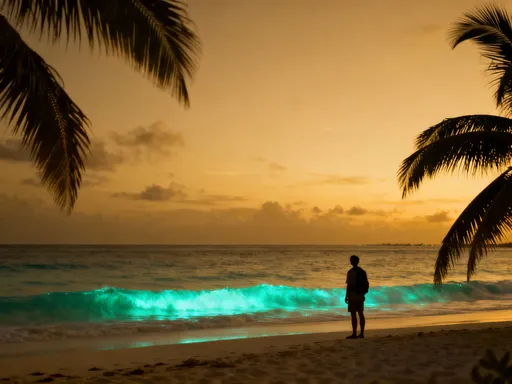
One of the most magical phenomena occurs during this period: bioluminescent plankton. On certain moonless nights, particularly between January and March, the shoreline glows with a soft blue light as microscopic organisms in the water emit light when disturbed. Walking along the beach after dark, you might see your footprints sparkle or watch as fish dart through the water like shooting stars. This natural light show is fleeting and unpredictable, but the dry season offers the highest chance of witnessing it. Similarly, manta rays are frequently seen in the channels near Maafushi from December to April, drawn by plankton blooms that thrive in the warm, nutrient-rich currents.
While peak months like January and February attract the most visitors, savvy travelers often aim for late December or early March to avoid the busiest crowds. During these windows, the weather remains excellent, but guesthouses are more likely to have availability, and local tour operators aren’t stretched thin. Boat schedules run more smoothly, and you’re more likely to secure a spot on popular excursions like reef snorkeling or sandbank picnics. By planning your visit with these nuances in mind, you position yourself to experience Maafushi at its most serene and spectacular.
How to Spot the Island’s Best Natural Wonders
To truly appreciate Maafushi, you need to look beyond the postcard-perfect beaches and seek out its quieter, more intimate wonders. Begin at dawn, when the island is still wrapped in quiet. The western beach, often empty in the early hours, offers one of the most peaceful places to greet the day. As the sun rises, the sky shifts from deep indigo to soft gold, casting long shadows across the sand. This is also the best time to explore the tide pools that form along the rocky edges of the shore. With a little patience and a gentle eye, you can spot bright red starfish clinging to the coral fragments and tiny neon crabs darting between crevices.
As the morning warms, head to the southern tip of the island, where a shallow coral garden begins just a few meters from the shore. Snorkeling here requires no boat or guide—simply wade in and float above a living mosaic of brain coral, staghorn coral, and sea fans. Schools of parrotfish, their scales flashing electric blue and green, graze along the reef, while clusters of clownfish peek out from their anemone homes. The water is calm and warm, making it ideal for beginners and children. With a mask and snorkel, you’re granted a window into a world that pulses with quiet energy.
For those willing to wander off the main paths, the island’s interior holds hidden lagoons and shaded palm groves that feel a world away from the coastal bustle. Locals often know of quiet inlets where the water is still and clear, perfect for a refreshing dip. While some of these areas are protected or used for traditional fishing, respectful visitors who ask permission and follow local guidance can sometimes gain access. Additionally, during nesting season—typically from May to October—turtle conservation efforts are active along the eastern shore. Guided night walks, led by trained community members, offer a rare chance to witness green sea turtles laying eggs, a deeply moving experience that underscores the island’s commitment to protecting its natural heritage.
Choosing the Right Day Trips to Wilder Zones
While Maafushi itself is rich in natural beauty, some of the most unforgettable experiences lie just a short boat ride away. The surrounding atoll is dotted with uninhabited islands and sandbanks that remain untouched by development. Biyadhoo Island, known for its strong coral growth and vibrant reef systems, is a favorite destination for snorkeling tours. Unlike Maafushi’s shallow gardens, Biyadhoo’s outer reefs drop off into deeper waters, attracting larger marine life. It’s not uncommon to see blacktip reef sharks patrolling the edges or eagle rays gliding effortlessly through the blue.
Thulusdhoo, another nearby island, offers a different kind of adventure. Famous for its local surf break at Cokes, it also has quiet lagoons and mangrove-lined shores that are perfect for kayaking or paddleboarding. While some visitors come for the waves, others come to explore the island’s artisan culture—particularly its skateboards, handcrafted from recycled materials by a local cooperative. This blend of nature and community initiative reflects a growing trend in the Maldives: sustainable tourism that supports both the environment and local livelihoods.
For those interested in giving back, some eco-conscious tour operators offer cleanup dives or reef monitoring excursions. These trips allow you to explore hidden underwater caves and crevices while helping to remove debris that can harm marine life. Participating in such activities not only deepens your connection to the ocean but also ensures that your presence contributes positively. When choosing a tour, look for operators who emphasize safety, provide proper equipment, and follow environmental guidelines. Always wear reef-safe sunscreen, avoid touching marine life, and carry out everything you bring in.
Smart Ways to Move Around Without Wasting Time
Getting around Maafushi is refreshingly simple. The island is small enough that walking is a practical and pleasant way to explore. Most guesthouses, restaurants, and beaches are within a 15-minute stroll of the main harbor. However, if you want to see the entire coastline or visit more secluded spots, renting a bicycle is an excellent option. Several small shops near the dock offer sturdy, low-cost bikes with wide tires suited for the sandy paths. Cycling allows you to move at your own pace, pause for photos, and discover quiet corners that foot traffic might miss.
For trips to other islands, planning is essential. Public ferries run regularly between Maafushi and Malé, but shared speedboats to nearby destinations like Biyadhoo or Gulhi are typically arranged through guesthouses or local tour desks. Pre-booking through a trusted provider ensures you won’t be left waiting or overcharged. Avoid booking with unlicensed operators who approach tourists near the pier—these services may lack proper safety equipment or skip essential briefings. A reputable guide will provide life jackets, explain emergency procedures, and respect marine protection zones.
To stay informed, many visitors join local WhatsApp groups or use travel apps where schedules are posted and updated in real time. Tides and weather can affect departure times, so having this information helps prevent missed connections. Always carry a waterproof bag for your phone, wallet, and camera—saltwater and sand can damage electronics quickly. With a little preparation, your movement between islands becomes smooth, safe, and stress-free, leaving more time to enjoy the beauty around you.
Where and When to See the Most Dramatic Natural Displays
Some of Maafushi’s most breathtaking moments happen when the sun begins to set. As daylight fades, head to the northern shoreline, where there are no streetlights and the sky opens up in a vast dome above the ocean. This area is one of the best places on the island to witness bioluminescence. On still, dark nights—especially around the new moon—the water comes alive with a soft, ethereal glow. Every ripple, every wave, seems to sparkle with blue fire. Wading in, you’ll see your legs trail light, and if a fish darts past, it leaves a glowing streak behind.
The full moon brings its own kind of magic. The increased light reflects off the shallow sandbanks, turning them into silver pathways that stretch across the lagoon. This is a favorite time for photography, as the contrast between the bright moonlight and the dark sky creates dramatic, dreamlike images. For those who rise early, the hours just before sunrise offer another spectacle: flying fish. As the first light touches the water, these small, silvery fish begin skimming across the surface, their wings flapping rapidly as they glide for meters at a time. It’s a fleeting sight, but one that captures the quiet dynamism of island life.
The shoulder months of May and October, which mark the transition between dry and wet seasons, bring dramatic cloud formations and stronger wave action. While some travelers avoid these times, photographers and nature lovers often find them rewarding. Towering cumulus clouds catch the colors of dawn and dusk, painting the sky in deep oranges, purples, and pinks. The waves, more powerful during these periods, crash against the reef with a rhythmic energy that feels both wild and soothing. Even if you don’t plan to swim, sitting on the beach and watching the ocean at these times can be a deeply meditative experience.
Respecting Nature While Getting the Best Experience
The beauty of Maafushi is not guaranteed—it is carefully protected by the people who live here and the visitors who choose to respect it. Coral reefs, though resilient in appearance, are incredibly fragile. A single misplaced step can break centuries-old coral structures that support entire ecosystems. For this reason, it’s essential to maintain a safe distance when snorkeling and to never stand on or touch the reef. Even sunscreen can be harmful; many common formulas contain chemicals like oxybenzone that contribute to coral bleaching. Instead, opt for mineral-based, reef-safe sunscreens that use zinc oxide or titanium dioxide as active ingredients.
Plastic pollution is another serious concern in island environments. Maafushi has taken strong steps to reduce single-use plastics, with many guesthouses and cafes now offering reusable bottles, metal straws, and biodegradable packaging. As a visitor, you can support these efforts by carrying your own water bottle and refusing plastic bags or wrappers. Always dispose of trash in designated bins, and if you see litter on the beach, consider picking it up—even a small act can make a difference.
When exploring sensitive areas, such as turtle nesting sites or protected lagoons, stick to marked trails and follow the guidance of local guides. These zones are often closed during critical times of the year to minimize disturbance. By respecting these rules, you help ensure that species like the green sea turtle can continue to thrive. Finally, support businesses that prioritize sustainability—whether it’s a guesthouse that uses solar power or a tour operator that participates in reef restoration. Your choices matter. When we travel with care, we don’t just witness nature’s wonders—we become part of their preservation.
Conclusion
Maafushi isn’t just a destination—it’s a lesson in how travel should feel: real, raw, and deeply connected to nature. With smart planning and respect for the environment, you don’t just see beauty—you become part of its rhythm. The island rewards those who look beyond the postcard views, who rise early for the sunrise, who ask locals for guidance, and who tread lightly on the sand and reef. From the glow of bioluminescent waves to the quiet miracle of a turtle’s nest, Maafushi offers moments that stay with you long after you’ve returned home. It reminds us that the most meaningful journeys are not about luxury or convenience, but about presence, wonder, and responsibility. So go, explore wisely, and let the Maldives’ quieter side leave its mark.