You Won’t Believe What I Found Hiking Through São Paulo’s Hidden Wild Side
When you think of São Paulo, skyscrapers and traffic probably come to mind—but trust me, there’s a wild, green soul beating just beyond the city buzz. I hit the trails expecting escape, but what I found were jaw-dropping landscapes, misty mountains, and lush Atlantic rainforest that felt worlds away. This isn’t just urban escape; it’s real adventure. Let me take you through the breathtaking side of Brazil’s biggest city that most people never even know exists.
The Urban Jungle Meets Real Jungle
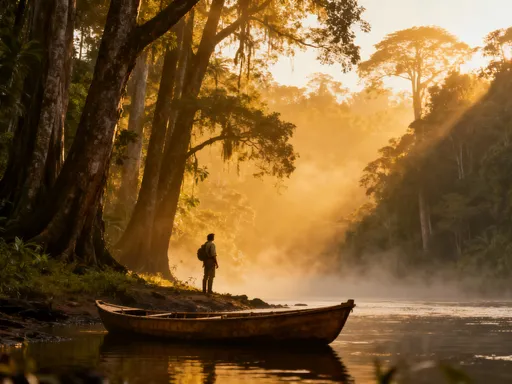
São Paulo is often described as a concrete maze—a sprawling metropolis of over 12 million people, where the hum of traffic never truly fades and the skyline is dominated by glass towers and bustling avenues. Yet, just a short drive from this urban intensity lies a network of protected forests, mountain ridges, and ancient ecosystems that defy the city's reputation. In less than an hour from downtown, hikers can stand beneath towering trees draped in moss, listen to the calls of toucans echoing through the canopy, and breathe air scented with damp earth and wild orchids. This duality—city and wilderness existing in close proximity—is what makes São Paulo so uniquely compelling.
The contrast between the urban jungle and the real one could not be more striking. Where downtown pulses with urgency and noise, the forest offers stillness and rhythm. The chaos of honking horns gives way to the rustle of leaves in the wind. The constant glow of streetlights is replaced by starlit skies, visible only when removed from the city’s light pollution. For residents and visitors alike, this accessibility to nature is not just convenient—it’s transformative. Many travelers assume that to experience true wilderness in Brazil, they must journey deep into the Amazon or the Pantanal. But São Paulo proves that profound natural beauty can thrive even in the shadow of a megacity.
What surprises most is how seamlessly these green spaces are integrated into the region’s geography. The Serra do Mar mountain range, which runs parallel to the Atlantic coast, begins just 50 kilometers from the city center. This natural barrier not only shapes São Paulo’s climate but also shelters one of the world’s most biodiverse ecosystems—the Atlantic Forest. Once covering much of Brazil’s eastern coast, this forest now exists in fragmented patches, making the preserved areas near São Paulo all the more valuable. These parks and reserves are not afterthoughts; they are essential sanctuaries, carefully protected and increasingly appreciated by locals seeking balance in their fast-paced lives.
Why Hiking São Paulo Changes Your Perspective
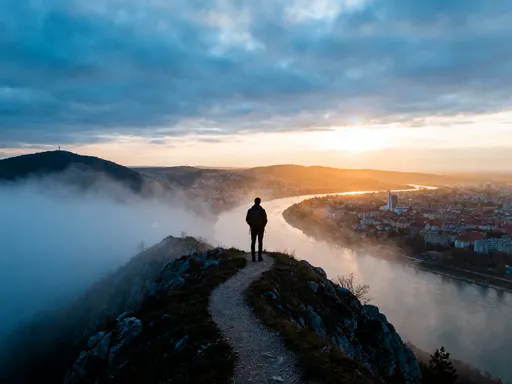
Hiking near São Paulo does more than offer scenic views—it shifts the way you see the city itself. Stepping onto a trail and ascending into the hills allows you to physically and mentally rise above the urban grind. The simple act of walking through forested paths, focusing on each step and breath, creates a meditative rhythm that contrasts sharply with the distractions of city life. This isn’t just recreation; it’s restoration. Studies have shown that spending time in green spaces reduces cortisol levels, improves concentration, and enhances emotional well-being. For women between 30 and 55—often balancing careers, family responsibilities, and personal health—this kind of accessible escape is invaluable.
The physical benefits are equally clear. Even moderate hiking strengthens the cardiovascular system, builds endurance, and supports joint health. Unlike gym workouts that can feel repetitive, trail hiking engages the body in varied terrain, requiring balance, coordination, and mindfulness. And because many trails near São Paulo are designed for different fitness levels—from gentle forest walks to steep climbs—there’s something for everyone. A mother hiking with her teenage children can choose a low-difficulty path ending at a waterfall, while an experienced trekker might tackle a full-day route through cloud-covered ridges. The inclusivity of these spaces makes them powerful tools for family bonding and personal challenge alike.
Equally important is the environmental awareness that grows from these experiences. When you walk beneath centuries-old trees or spot a brightly colored bromeliad clinging to a branch, you begin to understand the fragility and richness of the Atlantic Forest. You learn that this ecosystem is home to thousands of plant and animal species, many found nowhere else on Earth. You realize that clean air, fresh water, and climate stability are not abstract concepts—they are directly tied to the health of these forests. Hiking becomes more than a personal retreat; it becomes a lesson in stewardship, reminding us that nature is not separate from our lives but deeply woven into them.
Top Natural Escapes Within Reach
For those eager to explore, São Paulo’s surrounding region offers several exceptional destinations where adventure and natural beauty converge. Among the most renowned are Serra do Mar State Park, Cantareira State Park, and the lesser-known but enchanting Paranapiacaba Cloud Forest. Each offers distinct landscapes, trail experiences, and ecological wonders, all within a manageable distance from the city. Whether you’re seeking panoramic views from mountain peaks or the quiet serenity of a hidden stream, these locations deliver unforgettable moments without requiring days of travel.
Serra do Mar State Park, established in 1977, spans over 300 square kilometers and protects one of the largest remaining stretches of Atlantic Forest. Its trails wind through dense vegetation, cross crystal-clear streams, and lead to breathtaking viewpoints like the Morro do Cruzeiro, where on clear mornings you can see the distant coastline. The park’s elevation creates cooler temperatures, making it a refreshing escape even during São Paulo’s humid summers. Birdwatchers delight in spotting species like the white-eared puffbird and the blue manakin, while photographers capture mist rolling through the valleys like liquid silver.
Cantareira State Park, located just 20 kilometers north of downtown, serves as São Paulo’s green lung. Covering nearly 8,000 hectares, it plays a crucial role in filtering and supplying water to millions of residents. Its network of well-maintained trails ranges from short interpretive loops to longer treks ending at scenic waterfalls such as Cachoeira do Cedro. Families often visit on weekends, spreading picnic blankets under shady trees or cooling off in shallow pools. The park’s accessibility by public transportation makes it a favorite among locals who don’t own cars, proving that nature need not be a luxury reserved for those with resources.
Further south, the village of Paranapiacaba offers a different kind of magic. Nestled in the mountains at about 1,000 meters above sea level, this historic town is shrouded in fog for much of the year, giving its surrounding forest a mystical quality. The cloud forest here is dense and dripping with moisture, supporting orchids, ferns, and epiphytes that cling to every branch. Walking the trails feels like stepping into another world—one where time slows and the air hums with life. The old railway path, once used to transport coffee, now serves as a gentle hiking route lined with restored Victorian-era buildings, blending history and nature in a rare and poetic way.
Serra do Mar: Where the Forest Meets the Sky
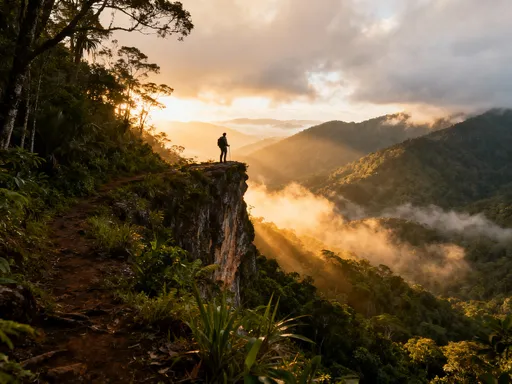
Among São Paulo’s natural treasures, Serra do Mar stands out as a crown jewel. This mountain range forms a natural escarpment along Brazil’s southeastern coast, rising abruptly from the lowlands to elevations exceeding 1,000 meters. Its slopes are cloaked in Atlantic Forest, a biome that once covered over a million square kilometers but now survives in less than 12% of its original range. Within this shrinking habitat, Serra do Mar acts as a vital refuge, supporting jaguarundi, sloths, and hundreds of bird species, including the endangered red-browed amazon parrot. Conservation efforts here are not just about preserving scenery—they are about protecting a living, breathing web of life.
For hikers, the park offers some of the most rewarding trails in southeastern Brazil. One popular route leads to Vale do Cai, a secluded valley accessible via a moderate 8-kilometer round-trip hike. The path descends through thick forest, crosses wooden bridges over rushing streams, and ends at a tranquil clearing surrounded by cliffs. Another favorite is the ascent to Pedra do Baú, a massive granite monolith that rises like a fortress from the forest floor. Though technically located a few hours’ drive from São Paulo, many weekend hikers make the journey for the panoramic 360-degree views from the summit. The climb is challenging but achievable for those with basic fitness and proper gear.
Visitors should plan their trips carefully, as weather in the Serra can change rapidly. Mornings often begin with clear skies, but by afternoon, thick fog can roll in, reducing visibility and making trails slippery. The best seasons for hiking are from April to July, when rainfall is lower and temperatures are mild. Local guided tours are highly recommended, especially for first-time visitors. Experienced guides not only ensure safety but also enrich the experience with knowledge about medicinal plants, animal tracks, and conservation challenges. Some outfitters even offer overnight camping permits, allowing hikers to spend a night under the stars and wake to the symphony of forest birds.
Access to Serra do Mar State Park is possible by car from São Paulo, with several entry points depending on the chosen trail. The Núcleo Santa Virginia and Núcleo Curucutu sectors are among the most visited and offer visitor centers, restrooms, and marked trails. It’s essential to check park regulations in advance, as entry may require prior registration or be limited during high-risk fire seasons. By respecting these rules and practicing low-impact hiking, visitors help preserve this irreplaceable landscape for future generations.
Cantareira: The Green Lung Close to Home
If Serra do Mar represents São Paulo’s wild frontier, Cantareira State Park is its neighborhood sanctuary. Easily reachable by bus or car, this expansive reserve offers a direct connection between urban life and natural wellness. Established in 1962, the park protects a critical watershed that feeds into the Billings and Guarapiranga reservoirs—two of the city’s primary sources of drinking water. This functional role underscores the importance of conservation: every tree preserved and every trail respected contributes to the health of millions.
The park’s trail system is well-developed and clearly marked, making navigation straightforward even for inexperienced hikers. The Trilha da Pedra Redonda, for example, is a 5-kilometer loop that climbs gradually through dense forest to a large rock formation offering sweeping views of the surrounding hills. Along the way, hikers pass towering jequitibá trees, some estimated to be over 300 years old. Interpretive signs provide information about local flora and fauna, turning the hike into an educational experience suitable for children and adults alike. Birdwatching is especially rewarding here, with frequent sightings of the rufous-bellied thrush, São Paulo’s state bird, and the striking black-and-gold tanager.
One of the park’s most beloved features is its waterfalls. Cachoeira do Cedro, accessible via a moderately steep trail, culminates in a refreshing cascade where visitors can dip their feet or enjoy a packed lunch on the rocks. While swimming is sometimes permitted, it depends on water quality and seasonal restrictions, so it’s wise to check current guidelines before visiting. Facilities within the park include shaded picnic areas, clean restrooms, and small kiosks selling water and snacks—amenities that make it ideal for family outings.
Despite its popularity, Cantareira maintains a peaceful atmosphere, especially on weekday mornings when visitor numbers are lower. Weekends draw larger crowds, but the park’s size prevents it from feeling overcrowded. Parking is available at the main entrance, though spaces fill quickly, so arriving early is advisable. For those relying on public transport, several bus lines connect central São Paulo to the park’s vicinity, with the final stretch requiring a short walk through a quiet residential area. This blend of accessibility and tranquility makes Cantareira a model of how cities can coexist with nature when protected spaces are valued and maintained.
What to Pack and How to Prepare
No matter which trail you choose, proper preparation is key to a safe and enjoyable hike. The most essential item is a pair of sturdy, broken-in hiking shoes with good traction. Trails in São Paulo’s forests can become muddy and slippery, especially after rain, and regular sneakers may not provide enough support. A lightweight backpack is equally important for carrying water, snacks, and extra layers. Given the region’s unpredictable weather, a compact rain jacket or poncho should always be included, even on sunny mornings.
Hydration is critical. Experts recommend carrying at least two liters of water per person for hikes lasting more than three hours. While some trails have natural streams, it’s unsafe to drink from them without proper filtration. Energy-rich snacks like trail mix, bananas, granola bars, and sandwiches are ideal for maintaining stamina. Insect repellent is another must—mosquitoes and ticks are present year-round, and using a DEET-based or natural alternative can prevent bites and potential illnesses. Sunscreen and a wide-brimmed hat offer protection during exposed sections, even when the sky is overcast.
Technology can be a valuable ally on the trail. Downloading offline maps through apps like Google Maps or specialized hiking platforms ensures navigation even without cell service. A fully charged phone with a portable charger provides peace of mind in case of emergencies. While many trails are well-marked, carrying a simple paper map as backup is a wise precaution. It’s also helpful to inform someone of your hiking plans, including your intended route and expected return time.
Finally, respecting the environment is non-negotiable. The principle of Leave No Trace applies fully: pack out all trash, avoid picking plants or disturbing wildlife, and stay on designated paths to prevent soil erosion. Dogs are often allowed but must be kept on leashes, and owners are responsible for cleaning up after them. By following these guidelines, hikers contribute to the long-term sustainability of these precious ecosystems and ensure that others can enjoy them for years to come.
Beyond the Trail: Connecting with Place and Purpose
Hiking in São Paulo’s natural spaces offers more than physical exercise or scenic beauty—it fosters a deeper sense of connection. As women navigate the complexities of modern life, these walks in the forest provide rare opportunities to slow down, reflect, and reconnect with what matters. The rustle of leaves, the scent of wet bark, the sight of sunlight filtering through the canopy—these simple sensations ground us in the present moment. They remind us that we are part of something larger, older, and more enduring than daily routines and digital notifications.
There is also a quiet pride among Paulistanos—the residents of São Paulo—in their city’s green heritage. Despite decades of urban expansion, the preservation of parks like Cantareira and Serra do Mar reflects a growing awareness of environmental responsibility. Local schools organize field trips to these areas, teaching children about biodiversity and conservation. Community groups participate in reforestation projects, planting native seedlings to restore degraded zones. These efforts, though small in scale, represent a collective commitment to safeguarding natural spaces for future generations.
For visitors, embracing this mindset means more than just taking photos or checking a destination off a list. It means hiking with intention—choosing trails that minimize impact, supporting local eco-tourism businesses, and sharing stories that highlight the value of these places. It means seeing São Paulo not as a city defined by traffic and noise, but as a metropolis with a wild heart, pulsing just beyond the pavement. Every step on the trail becomes an act of appreciation, a quiet acknowledgment of nature’s resilience and beauty.
So the next time you find yourself in São Paulo, look past the skyline. Venture into the misty mountains, follow the forest paths, and let the green soul of the city reveal itself. You may go seeking views—but you’ll return with perspective. The wild side of São Paulo is not hidden because it’s inaccessible; it’s hidden because we’ve forgotten to look. And once you do, you’ll understand why so many who live here cherish these trails not just as escapes, but as essential parts of their lives.