You Won’t Believe These Hidden Corners of Chennai’s Urban Soul
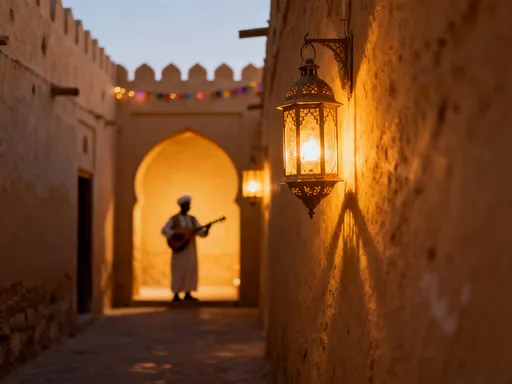
Chennai isn’t just about beaches and temples—there’s a whole side most travelers never see. I wandered far beyond the guidebooks and found quiet courtyards, forgotten colonial lanes, and vibrant street art tucked between old buildings. These urban spaces breathe life into the city in ways no landmark can. If you’re looking for authenticity, this is where Chennai truly speaks. Away from the postcard views and crowded promenades, the city reveals itself in subtle rhythms: the clink of tea tumblers at a roadside stall, the hush of a sunlit courtyard, the whisper of history in peeling walls. This is not a city of grand gestures, but of intimate moments woven into everyday life. To know Chennai fully, one must look closer.
Beyond Marina Beach: The City’s Quiet Pulse
While Marina Beach draws crowds with its golden sands and sea breeze, the real heartbeat of Chennai thrives in quieter, less celebrated spaces. Just a few blocks inland, life unfolds in unassuming pockets—small parks shaded by rain trees, temple corridors where elders gather in the late afternoon, and corner tea stalls that serve as informal community centers. These micro-environments may not appear on tourist maps, but they are essential to the city’s social fabric. They offer residents refuge from the heat, a place to connect, and a sense of belonging that transcends economic status.
Take, for example, the neighborhood parks near Luz or Saidapet. Though modest in size, they are meticulously maintained by local residents and serve as hubs for morning walkers, children playing cricket with taped balls, and women chatting on benches during errands. These green interludes are not merely decorative—they function as vital lungs in a densely populated urban landscape. Studies have shown that access to small public green spaces significantly improves mental well-being, particularly in tropical climates where outdoor activity is constrained by heat and humidity. In Chennai, such spaces provide a rare balance between urban intensity and personal peace.
Similarly, the humble tea stall—often no more than a concrete counter with a kettle and a few stools—acts as a democratic social node. Here, drivers, clerks, students, and shopkeepers converge, sharing news and laughter over steaming cups of spiced milk tea. There is no pretense, no hierarchy—only conversation and warmth. These interactions, repeated daily across thousands of such stalls, form an invisible network of connection that sustains community life. For the observant traveler, pausing at one of these stalls is not just a refreshment break; it is an invitation to witness Chennai’s quiet pulse in real time.
George Town’s Forgotten Alleys: A Walk Through Layers of History
Once the bustling epicenter of colonial commerce, George Town remains one of Chennai’s most historically rich yet overlooked districts. Its narrow lanes, lined with 19th-century buildings in varying states of preservation, tell a story of rise, decline, and quiet endurance. Ornate facades with wrought-iron balconies and stucco moldings stand beside crumbling structures where laundry flaps between broken windows. This is not a curated heritage zone, but a living neighborhood where history and modernity coexist in uneasy harmony.
Walking through George Town is like flipping through the pages of a well-worn book. Each building holds traces of a different era—Portuguese influences in the churches, British colonial symmetry in the municipal offices, and South Indian craftsmanship in the wooden shopfronts. Many of these structures were once homes to wealthy merchants and traders who dealt in textiles, spices, and precious stones. Today, while some buildings have been repurposed into offices or storage spaces, others still house families who have lived there for generations, preserving fragments of a fading way of life.
The resilience of George Town lies in its people. Artisans continue to craft brass lamps and wooden idols in tiny workshops tucked behind arched doorways. Stationery shops sell hand-bound notebooks using techniques unchanged for decades. Elderly men sit outside their homes, fanning themselves with newspapers, watching the slow rhythm of street life. These daily rituals, passed down through time, keep the neighborhood alive even as urban development pressures mount. Preservation efforts by local historians and civic groups have begun to draw attention to the area’s value, advocating for conservation that respects both architectural integrity and resident needs.
For visitors, exploring George Town requires a shift in pace. There are no ticketed attractions or guided tours, but rather the reward of discovery—finding a hidden chapel tucked between warehouses, stumbling upon a century-old bakery still baking with wood-fired ovens, or hearing the chime of a clock tower that has marked time for over a hundred years. It is a place best experienced on foot, with curiosity as your guide and silence as your companion. In these forgotten alleys, Chennai’s layered soul becomes palpable.
Courtyards of Peace: Inner Sanctuaries in Old Residences
Hidden behind high walls and heavy wooden doors, the traditional homes of Chennai’s older neighborhoods contain a secret: the central courtyard. Known locally as *thinnai* or *mutram*, these open-air spaces are the architectural and emotional heart of South Indian domestic life. Designed to allow natural light and ventilation, they also serve as communal gathering spots for family meals, storytelling, and quiet reflection. Unlike the private bedrooms or formal living rooms, the courtyard is a shared, fluid space where generations interact under the open sky.
Many of these homes reflect the influence of Chettinad architecture, brought by the Nattukottai Chettiars who settled in Chennai generations ago. Their residences feature intricately carved teak pillars, Italian marble floors, and Burmese teak rafters—all centered around a courtyard that channels cool air upward through convection. Even in the peak of summer, these inner sanctuaries remain noticeably cooler than the surrounding streets. The design is not merely aesthetic; it is a climate-responsive solution developed long before modern air conditioning.
These courtyards also reflect cultural values. In traditional Tamil households, they are used for religious observances, family celebrations, and even small-scale business meetings. During festivals like Pongal, the courtyard becomes the focal point for cooking the ceremonial dish in earthen pots. For women managing the household, it offers a rare semi-public space where they can sit outside without leaving the home’s protective boundaries. Though rarely visible to outsiders, these spaces play a crucial role in sustaining intergenerational bonds and cultural continuity.
Unfortunately, as urban land values rise, many of these homes are being demolished to make way for apartment complexes. The courtyard, once a standard feature, is now a rarity in new constructions. Some preservationists are working with families to document and restore these architectural gems, emphasizing their environmental and cultural significance. For those fortunate enough to be invited into one, the experience is profoundly grounding—a reminder that true comfort lies not in luxury, but in design that honors nature, family, and time.
Street Art and Urban Renewal: Color on Concrete Walls
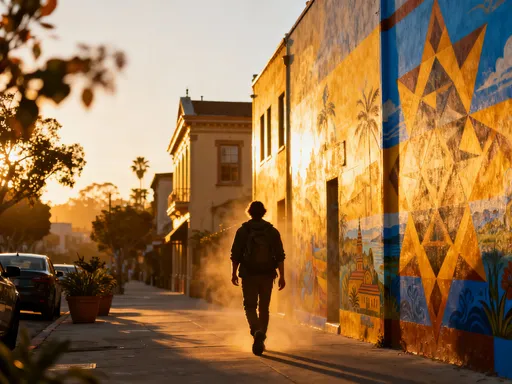
In recent years, a quiet transformation has been taking place across Chennai’s urban landscape—not through grand infrastructure projects, but through paint and imagination. In neighborhoods like T. Nagar, Mylapore, and Royapuram, vibrant murals have begun to appear on once-dull walls, turning forgotten corners into open-air galleries. These artworks, often created by local artists and student collectives, are more than decorative; they are acts of reclamation, breathing new life into neglected spaces and sparking public dialogue.
One of the most notable initiatives is the Chennai Wall Art Project, a grassroots movement that partners with building owners to transform blank walls into storytelling surfaces. Themes range from traditional Tamil motifs and temple architecture to contemporary social messages about environmental protection, gender equality, and mental health. A mural in Mylapore might depict a classical dancer in mid-motion, her flowing garments blending into floral patterns, while another in T. Nagar shows children planting trees, their hands merging with roots and branches. These images do more than beautify—they invite passersby to pause, reflect, and feel a sense of ownership over their surroundings.
What makes this movement particularly powerful is its organic nature. Unlike government-led beautification drives, these projects often begin with a conversation between artists and residents. A shopkeeper might request a mural that honors his grandmother’s legacy; a school might commission a piece that celebrates local biodiversity. This bottom-up approach ensures that the art resonates with the community, rather than being imposed from above. It also fosters collaboration—students from art colleges work alongside neighborhood volunteers, mixing paints and sharing stories as they paint.
Moreover, street art has proven to have tangible social benefits. Studies in urban planning have shown that colorful, well-maintained public spaces experience lower rates of littering and vandalism. In Chennai, areas with murals often become informal gathering spots, where people take photos, discuss the artwork, or simply enjoy a moment of visual calm. As the city continues to grow, these creative interventions offer a model for urban renewal that prioritizes culture, inclusivity, and emotional well-being over concrete and steel.
Temples as Urban Hubs: More Than Places of Worship
In Chennai, temples are not isolated spiritual retreats—they are integrated into the daily life of the city, functioning as multi-use public spaces. Beyond their religious significance, temple complexes provide shade, seating, and open halls that are freely accessible to all, regardless of faith or background. During the scorching summer months, these spaces become climate sanctuaries, offering relief from the heat for elderly residents, laborers, and travelers alike.
The design of traditional South Indian temples supports this communal function. Wide corridors, known as *prakarams*, encircle the inner sanctum, creating shaded walkways ideal for sitting or strolling. Large water tanks, or *temple tanks*, once used for rituals, now serve as cooling features that moderate the microclimate around the complex. Open mandapams (halls) host not only religious discourses but also music rehearsals, community meetings, and even informal job interviews. In many neighborhoods, the temple is the only large, air-circulated space available to the public without charge.
This inclusive spatial design reflects a deeper cultural principle: that sacred spaces should serve the entire community, not just the devout. It is common to see a construction worker napping on a stone bench after lunch, a group of students reviewing notes under a pillared hall, or a vendor selling flowers and fruit near the entrance. These activities are not seen as disruptions, but as natural extensions of the temple’s role as a social anchor.
City planners have begun to recognize the value of such spaces in promoting urban resilience. In an era of rising temperatures and shrinking public areas, temples offer a ready-made model for designing heat-adaptive public infrastructure. Some civic initiatives are now exploring ways to collaborate with temple authorities to improve accessibility, add drinking water stations, and integrate these spaces into broader city wellness programs. By viewing temples not just as places of worship but as vital urban hubs, Chennai can better support the health and cohesion of its diverse population.
Green Pockets in a Concrete Maze: Chennai’s Mini-Parks and Walkways
Amid the relentless expansion of roads and high-rises, Chennai’s small green spaces stand as quiet acts of resistance. These mini-parks, tree-lined walkways, and canal-side paths may seem insignificant next to sprawling developments, but they play a crucial role in improving air quality, reducing urban heat, and supporting mental well-being. From the shaded lanes near Nageswara Rao Park to the recently revitalized stretches along the Buckingham Canal, these green interludes offer residents a chance to reconnect with nature without leaving the city.
Nageswara Rao Park, though modest in size, is a beloved neighborhood fixture in Triplicane. Encircled by residential buildings and small shops, it provides a rare open space where families gather in the evenings, children play on swings, and seniors practice yoga or tai chi. The canopy of mature rain trees filters sunlight and noise, creating a peaceful micro-environment. Similar spaces exist in areas like Guindy, Saidapet, and Adyar, each serving as a vital lung for its community.
Equally important are the pedestrian pathways that have emerged along the Buckingham Canal. Once a neglected, polluted waterway, sections of the canal have undergone cleanup and landscaping efforts, resulting in paved walkways lined with native plants and benches. These paths are now popular with morning walkers, joggers, and cyclists, offering a safe, traffic-free route through dense urban corridors. The transformation has also encouraged biodiversity, with birds, butterflies, and even small reptiles returning to areas long thought inhospitable to wildlife.
Urban planners are increasingly recognizing the importance of such spaces. The Chennai Climate Action Plan, released in recent years, emphasizes the need for more green corridors and pedestrian-friendly zones to combat heat stress and improve livability. While challenges remain—such as land availability and maintenance funding—the growing public demand for accessible green areas suggests a shift in priorities. For residents, especially women and older adults, these spaces provide not just physical relief but emotional comfort—a reminder that cities can be designed for people, not just vehicles and buildings.
Designing the Future: Balancing Growth and Authenticity
As Chennai continues to grow, the tension between development and preservation becomes ever more pressing. New metro lines, elevated highways, and high-density housing projects promise progress, but they also risk erasing the very elements that give the city its character. The challenge lies not in halting growth, but in guiding it with intention—ensuring that modernization does not come at the cost of cultural and environmental integrity.
Some current projects offer hope. The restoration of heritage buildings in George Town, the expansion of pedestrian zones in commercial areas, and the integration of green roofs in new constructions reflect a growing awareness of sustainable urbanism. Citizen-led initiatives, such as neighborhood clean-up drives and heritage walks, demonstrate that residents care deeply about their city’s identity. When urban planning includes community input, the results are more humane and enduring.
Yet, challenges persist. Rapid construction often overlooks the needs of vulnerable populations, displacing long-time residents and eliminating informal gathering spaces. Environmental concerns, such as groundwater depletion and flooding, are exacerbated by unchecked concretization. To build a resilient future, Chennai must adopt a holistic approach—one that values not only economic growth but also social equity, ecological balance, and cultural continuity.
The hidden corners explored in this journey—quiet courtyards, forgotten alleys, vibrant murals, and temple corridors—are not relics of the past, but living elements of the city’s soul. They remind us that urban life is not defined solely by skylines and statistics, but by the spaces where people live, connect, and find meaning. For travelers and residents alike, the true magic of Chennai lies in these intimate, uncelebrated moments. By cherishing them, we do not resist progress—we redefine it. Let us move forward not by erasing the old, but by weaving it into the new, so that Chennai remains not just a city of growth, but a city of heart.