Through the Lens of Avignon: Where Light, Stone, and Story Collide
Have you ever stood somewhere and just *felt* the history in the air? That’s Avignon. Walking its sun-drenched streets with a camera in hand, I was struck by how every shadow on ancient stone, every burst of color from a hidden courtyard, told a story. This isn’t just a city of monuments—it’s a living gallery, where art and culture pulse through the Papal Palace, the bridges, and the quiet alleys. You don’t just visit Avignon—you capture it. For photographers and lovers of beauty, this Provençal gem offers a rare harmony of light, texture, and narrative depth, inviting the careful observer to slow down, look closer, and frame not just scenes, but emotions.
The First Frame: Arriving in Avignon with a Photographer’s Eye
Avignon reveals itself not with fanfare, but in quiet, luminous details. As you step beyond the modern train station, the city unfolds like a carefully composed photograph—soft limestone walls glowing in the morning sun, ivy tracing delicate patterns across centuries-old stone, and narrow streets that beckon with the promise of unseen corners. For photographers, the first impression is everything, and Avignon rewards those who arrive with a mindful eye. The transition from contemporary infrastructure to medieval charm is seamless, yet striking, offering immediate opportunities to contrast old and new. A well-placed shot of the city’s skyline, with the Palais des Papes rising in the distance, can serve as both an introduction and a promise of what lies ahead.
Light is Avignon’s silent collaborator. At sunrise, the eastern façades of the ramparts catch a golden hue, softening the city’s imposing stone with warmth. This early hour brings fewer crowds and a gentle clarity that enhances texture without harsh contrast. By mid-morning, the sun climbs higher, casting sharp shadows that define architectural lines—ideal for capturing the geometry of archways, doorframes, and cobbled lanes. Late afternoon brings the golden hour, when the entire city seems to radiate from within, the Rhône River reflecting long streaks of amber and rose. Photographers who time their arrival to coincide with these shifts gain access to a dynamic visual palette, where the same street can tell different stories depending on the hour.
For the most impactful first impressions, consider entering the city on foot from the Saint-Bénézet bridge approach. From this angle, the truncated arches of the Pont d’Avignon frame a distant view of the Palais, creating a natural leading line that draws the eye toward the heart of the old town. Alternatively, a short walk from the Gare d’Avignon Centre offers panoramic views from the Rocher des Doms gardens, where a single vantage captures the city’s rooftops, the river, and the distant Luberon hills. These entry points not only provide strong compositional opportunities but also allow for a gradual immersion into Avignon’s atmosphere—one that encourages patience, observation, and the kind of intentionality that transforms snapshots into art.
Palace of Popes: Capturing Power, Spirit, and Scale
Rising above the skyline like a fortress of faith and authority, the Palais des Papes is the undisputed centerpiece of Avignon’s visual narrative. As the largest Gothic palace in Europe, it commands attention not only for its size but for the layers of history embedded in its walls. Photographing this monument requires more than a wide-angle lens—it demands an understanding of scale, symmetry, and the interplay between light and shadow. The palace is not merely a building; it is a record of power, exile, and spiritual ambition, and the most compelling images are those that convey not just its grandeur, but its emotional weight.
Begin with the exterior, where the sheer mass of the structure can be emphasized through low-angle shots that exaggerate height and dominance. The Cour d’Honneur, the main courtyard, offers near-perfect symmetry, ideal for compositions that use converging lines to draw the viewer into the frame. Early morning light skimming across the stone enhances texture, revealing centuries of weathering in the limestone. Look for details—the grooves of ancient hinges, the erosion of carved reliefs, the play of shadow in recessed windows. These close-ups add intimacy to an otherwise monumental subject, grounding the image in human touch and time.
Inside, the palace transforms into a space of contemplation and contrast. The Saint-Martial Courtyard, with its elegant arcades, provides opportunities for layered compositions, where columns frame distant arches and light filters through stone tracery. The chapels, particularly the Saint-Jean and the Saint-Martial, are sanctuaries of mood. Here, stained glass casts colored light onto stone floors, creating ephemeral patterns that shift with the sun. These moments are fleeting, requiring patience and timing. A tripod and slower shutter speed can help capture the subtle gradients of light, while a polarizing filter reduces glare and deepens the saturation of hues.
To avoid sterile, postcard-style images, focus on the relationship between architecture and atmosphere. A lone visitor pausing beneath a vaulted ceiling, a shaft of light illuminating an empty pew, or the reflection of a window in a polished floor—these are the moments that turn documentation into storytelling. The Palais des Papes is not just a subject to be photographed; it is a space to be felt, and the best images are those that invite the viewer to step inside, not just look at.
Pont d’Avignon: More Than a Song—A Study in Ruin and Resilience
Few landmarks are as instantly recognizable, yet as frequently misunderstood, as the Pont Saint-Bénézet—better known as the Pont d’Avignon. Made famous by a cheerful children’s song, the bridge today stands as a fragment of its former self: only four of its original 22 arches remain, stretching partway across the Rhône. Yet, in its incompleteness, it gains a deeper photographic resonance. This is not a monument of triumph, but of endurance—a testament to time, nature, and the quiet beauty of imperfection.
Photographers are drawn to the bridge not for its length, but for its symbolism and visual potential. The interplay between solid stone and flowing water creates a natural tension, ideal for exploring themes of transience and continuity. Reflections in the river double the image, softening the rigid lines of the arches with ripples and light. At golden hour, the setting sun gilds the stonework, while at blue hour, the bridge becomes a silhouette against a deepening sky, often illuminated by subtle city lights. These moments offer a chance to move beyond the literal and embrace the poetic.
Compositionally, the bridge lends itself to a variety of approaches. Leading lines guide the eye from the shore toward the water, emphasizing the bridge’s incomplete journey. Framing the arches with overhanging trees or using a telephoto lens to isolate a single curve can create abstract, almost sculptural images. Including human elements—a couple strolling, a lone fisherman, a child pointing at the river—adds scale and narrative, grounding the image in lived experience. These moments of quiet interaction remind us that the bridge, though ancient, remains part of daily life.
To avoid cliché, resist the urge to replicate the standard postcard shot. Instead, explore the details: the rusted iron fixtures, the lichen clinging to stone, the way water swirls around the base of a pillar. A macro lens can reveal the textures of decay, turning cracks and moss into miniature landscapes. Shooting from below, from the riverbank or a boat, offers a fresh perspective, emphasizing the bridge’s elevation and the force of the current. In every image, the goal is not just to show the bridge, but to convey its story—one of ambition, loss, and the quiet dignity of what remains.
Hidden Courtyards and Street Art: Avignon’s Offbeat Canvas
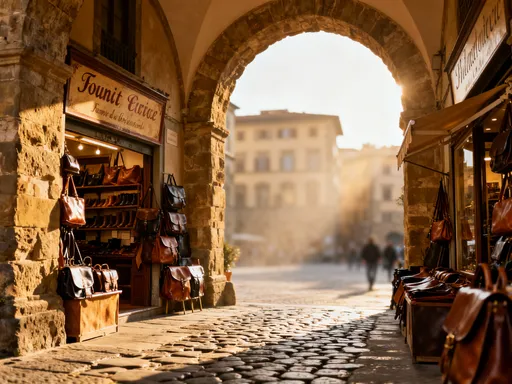
Beyond the well-trodden paths of the Palais and the bridge, Avignon reveals its most authentic self in the quiet corners where daily life unfolds. These are the spaces that reward the curious photographer—the hidden courtyards tucked behind unassuming doorways, the narrow alleyways where laundry hangs between buildings, and the unexpected bursts of color from street art and blooming vines. Here, the city breathes, and the camera becomes a tool for discovery rather than documentation.
One of Avignon’s best-kept secrets is its collection of *hôtels particuliers*—private mansions from the 14th to 18th centuries, many of which are now offices or cultural spaces. Their grand entrances often conceal lush inner gardens, where fountains murmur beneath orange trees and climbing roses spill over stone walls. These courtyards, accessible during daylight hours, offer pockets of serenity and rich visual detail. The contrast between the austere exterior and the vibrant interior creates a powerful narrative shift, perfect for a series of images that move from shadow to light, from public to private.
Street photography in Avignon thrives on spontaneity. A baker arranging baguettes in the morning light, a flower vendor arranging bouquets of lavender and sunflowers, an elderly couple sharing coffee at a café table—these are the moments that capture the rhythm of Provençal life. To photograph them respectfully, use a discreet approach: a medium telephoto lens allows for candid shots without intrusion, while shooting from the hip or at waist level can yield natural, unguarded expressions. The key is to observe without disrupting, to become part of the scene rather than a visitor to it.
Equally compelling are the city’s modern interventions—murals and graffiti that add a contemporary layer to ancient walls. Unlike some historic cities that resist street art, Avignon embraces it in select zones, where large-scale paintings depict historical figures, abstract patterns, or local legends. These works are not vandalism, but dialogue—a conversation between past and present. Photographing them in context, with weathered stone as a backdrop, emphasizes this duality. A single image that frames a vibrant mural beside a medieval doorway can say more about Avignon’s identity than any guidebook.
Festival Light: How Avignon’s Arts Scene Ignites Visual Storytelling
Every July, Avignon undergoes a transformation. The streets, squares, and even courtyards of the Palais become stages for the Festival d’Avignon, one of Europe’s most prestigious performing arts events. For three weeks, the city pulses with creativity—actors in costume recite poetry in alleyways, dancers perform impromptu routines in public gardens, and temporary theaters rise within ancient cloisters. For photographers, this is not just a festival; it is a living canvas of movement, expression, and human connection.
Capturing the energy of the festival requires a shift in technique. Static compositions give way to motion, stillness to spontaneity. A fast shutter speed can freeze a dancer mid-leap, preserving every line of the body, while a slower setting introduces motion blur, conveying the fluidity of performance. Panning—tracking a moving subject with the camera—creates dynamic images where the figure is sharp against a streaked background, emphasizing speed and direction. These techniques allow photographers to go beyond likeness and capture the essence of action.
Equally important are the moments between performances—the audience leaning forward in anticipation, a child mimicking an actor’s gesture, a performer adjusting a mask in quiet preparation. These candid shots add emotional depth, reminding us that theater is not just spectacle, but shared experience. When photographing performers, it is essential to be mindful of boundaries. Some shows are open to documentation; others, particularly indoor or ticketed events, may prohibit photography. A simple nod or gesture of permission goes a long way in maintaining respect and trust.
The festival also alters the city’s light and rhythm. At night, temporary installations illuminate courtyards with colored projections, turning stone walls into moving canvases. Street lamps cast long shadows as crowds move from venue to venue, creating opportunities for atmospheric, low-light photography. A camera with strong low-light performance and a wide aperture lens can capture these scenes without flash, preserving the natural mood. The festival, in all its vibrancy, reminds us that Avignon is not a museum frozen in time, but a living city that continues to create, perform, and inspire.
Seasons and Light: Timing Your Visit for Maximum Visual Impact
Avignon’s appearance shifts dramatically with the seasons, each offering a distinct visual character. Choosing when to visit can profoundly influence the tone and texture of your photographs. Spring, from April to early June, brings soft, diffused light and a burst of color—wisteria drapes over walls in cascades of purple, almond trees bloom in pale pink, and the Rhône reflects a sky of gentle pastels. This is an ideal time for delicate compositions, where color and light blend harmoniously without overwhelming contrast.
Summer, particularly July and August, delivers intense sunlight and long days. The light is golden and direct, casting deep shadows that define architectural forms. While midday can be harsh, early morning and late afternoon offer some of the year’s most dramatic lighting. The heat also means more tourists, which can complicate crowd-free shots of major sites. However, the Festival d’Avignon brings a unique energy, and the extended daylight allows for longer shooting hours, including vibrant twilight scenes.
Autumn, from September to November, introduces warm, earthy tones. The stone of the buildings seems to deepen in color, absorbing the low-angle light of shorter days. Leaves turn gold and rust, adding contrast to green shutters and terracotta roofs. This season is quieter, with fewer visitors, allowing for more contemplative photography. Fog occasionally rises from the Rhône in the early morning, creating ethereal images where the bridge and palace emerge from mist like apparitions.
Winter, though cooler and less crowded, offers its own rewards. Overcast skies provide soft, even lighting—ideal for capturing texture without glare. The absence of foliage reveals architectural details often hidden in summer. On rare snowy mornings, Avignon transforms into a monochrome dreamscape, where stone glows under a blanket of white. For photographers seeking solitude and mood, winter is a hidden gem. Regardless of season, the key is to plan around light and crowd patterns, arriving early, staying late, and returning to the same location at different times to witness its many faces.
From Snapshots to Stories: Crafting a Photographic Narrative of Avignon
A single photograph can capture a moment, but a series can tell a story. The most powerful images of Avignon are not those that stand alone, but those that belong to a larger visual journey—one that moves from arrival to immersion, from monument to detail, from light to shadow. To create such a narrative, photographers must shift from capturing scenes to curating experience. This begins with intention: What aspect of Avignon moves you? Is it the play of light on stone? The resilience of ancient structures? The quiet dignity of daily life?
Once a theme is chosen, editing becomes an act of storytelling. Consistency in color grading—whether warm and golden or cool and atmospheric—can unify a series. Cropping and sequencing matter: a wide shot of the Palais followed by a close-up of a weathered doorhandle creates a rhythm of scale and detail. Organizing images chronologically mirrors the visitor’s journey, while an emotional arc—beginning with awe, moving through discovery, ending in reflection—can evoke a deeper connection.
Consider creating a small portfolio or photo essay that moves beyond the obvious. Start with an establishing shot of the city at dawn, then transition to intimate moments—a hand turning a key in a wooden door, sunlight through a chapel window, a shadow stretching across a courtyard. Include human elements not as props, but as participants in the city’s life. The goal is not perfection, but authenticity—a reflection of how Avignon feels, not just how it looks.
Finally, remember that photography is not just about what you capture, but what you choose to share. In an age of instant images, the most meaningful photographs are those taken with patience, respect, and care. They invite the viewer not to envy, but to understand—to see Avignon not as a destination, but as a conversation between time, place, and presence.
Why Avignon Stays in the Frame
Avignon is more than a destination—it is a dialogue between past and present, stone and light, observer and observed. For photographers, it offers a rare blend of historical depth and artistic spontaneity. Its monuments are not frozen relics, but living elements of a city that continues to evolve. The Palais des Papes stands as a monument to power, yet it is softened by morning light and the laughter of children in its courtyards. The Pont d’Avignon, incomplete, speaks more powerfully than if it were whole. The hidden gardens and quiet alleys remind us that beauty often lies off the main path.
By slowing down, looking closely, and shooting with intention, you don’t just take pictures—you preserve moments of timeless beauty. The city doesn’t shout; it whispers. And with your camera, you get to share its quiet magic. Whether you visit in spring’s bloom or winter’s hush, during the festival’s crescendo or the stillness of an early morning, Avignon reveals itself in layers, rewarding those who return again and again. It is not a place you capture once, but one you come to know through light, through time, through the lens. And in that knowing, your photographs become more than images—they become invitations, asking others to see, to feel, and to remember.