Lost in the Hills of Bratislava: Where Every Step Unfolds a View
Walking through Bratislava isn’t just about ticking off landmarks—it’s about stumbling upon moments that take your breath away. I never expected this quiet capital to offer such raw, elevated beauty, hidden in plain sight. From hilltop lookouts to riverside paths, each trail reveals a different face of the city. The blend of ancient rock formations, forested slopes, and the sweeping Danube creates a backdrop few anticipate. If you're ready to see Bratislava beyond the postcards, lace up your shoes—this is where the real magic begins. Here, urban life and natural wonder aren’t separated by hours of travel but connected by footpaths that wind through vineyards, ruins, and parks just minutes from the city center.
Why Bratislava Surprises Hikers with Its Urban-Nature Blend
Bratislava defies the typical image of a European capital. While cities like Paris or Vienna are celebrated for grand boulevards and imperial architecture, Bratislava offers something quieter but equally compelling—a seamless fusion of city and nature. Nestled where the Danube River bends around the foothills of the Little Carpathians, the city rises from flat riverbanks into wooded highlands in less than five kilometers. This unique geography means that within a 20-minute walk from the Old Town, you can be on a trail surrounded by oak and beech forests, with only birdsong and the rustle of leaves breaking the silence.
What makes Bratislava exceptional is not just the proximity of nature, but how integrated it is into daily life. Green corridors stretch like veins through the urban fabric, connecting residential neighborhoods to forested hills. The city maintains over 70 kilometers of marked hiking trails, many of which begin at tram or bus stops. This accessibility encourages locals—and can inspire visitors—to embrace what might be called 'urban hiking': short, rewarding treks that combine physical activity with panoramic rewards. Unlike more remote mountain destinations, these trails require no special gear or long drives, making them ideal for families, solo walkers, and those seeking gentle exercise with scenic payoff.
The cultural attitude toward outdoor life further enhances the experience. Slovaks value time in nature, and Bratislava’s residents often spend weekends walking, cycling, or picnicking in the hills. You’ll pass joggers in athletic wear, grandparents walking dogs, and groups of friends carrying thermoses of tea. These trails aren’t hidden secrets; they’re part of the city’s rhythm. This blend of accessibility, natural beauty, and local tradition makes Bratislava a standout destination for travelers who want to experience a capital city not just through its museums and cafes, but through its landscapes and viewpoints.
Devínska Kobyla: The Crown Jewel of Panoramic Trails
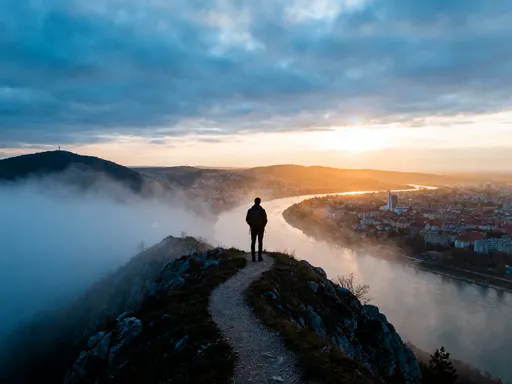
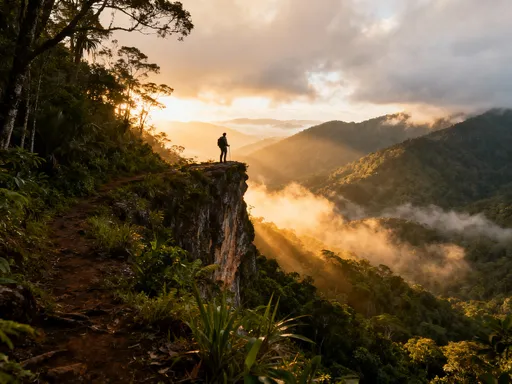
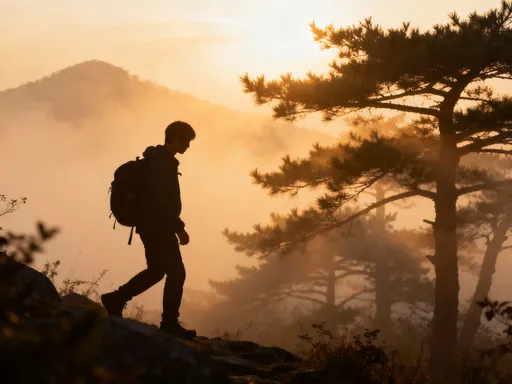
Rising to 514 meters above sea level, Devínska Kobyla stands as one of the most rewarding hikes near Bratislava. The summit offers what many consider the finest panoramic view in the region—a sweeping vista where three countries meet. From the top, you can see the Danube winding west into Austria, the distant outline of the Austrian Alps on clear days, and the industrial yet historically rich landscape of Devín village below. The trail begins in the quiet neighborhood of Devín, just a short bus ride from the city center, and winds upward through a mix of rocky limestone paths, shaded forest, and open meadows dotted with wild herbs and butterflies.
The ascent takes about 45 to 60 minutes at a moderate pace, with varying terrain that keeps the hike engaging. The lower section passes the ruins of Devín Castle, a symbolic site that dates back to the 9th century and once guarded the border of the Great Moravian Empire. Though only fragments remain, the castle’s position on a cliff above the river is dramatic and evocative. Continuing upward, the path becomes steeper and more rugged, with exposed roots and stone steps. Hikers should wear sturdy footwear, as the limestone can be slippery when wet, especially in spring or after rain.
The final stretch opens into a grassy plateau, where the view unfolds in all directions. To the north, the Little Carpathians stretch into the distance; to the south, the Danube forms the natural border between Slovakia and Austria. On a clear morning, especially at sunrise, the light paints the river gold and casts long shadows across the vineyards of the Marchfeld plain. This is also one of the best places to witness the confluence of the Morava River with the Danube, a geographical feature of quiet significance. Because of its elevation and exposure, the summit can be windy, so a light jacket is advisable even in summer.
Seasonal changes bring different rewards. Spring brings blooming rock carnations and orchids; autumn offers golden foliage and crisp air. Winter hikes, though less common, can be magical when frost coats the grass and the river lies still under a pale sun. While the trail is well-marked and frequently used, it’s wise to carry water and a basic map—mobile signals can be weak in the higher elevations. For those seeking a full day in nature, combining the Devín Castle visit with the climb to Devínska Kobyla creates a deeply satisfying journey through history, geology, and breathtaking scenery.
The Castle Hill Loop: History Meets Vista
Bratislava Castle Hill is one of the city’s most visited landmarks, but most tourists never explore beyond the fortress grounds. Yet just behind the castle’s northern ramparts, a lesser-known loop trail offers a quieter, more immersive experience. This path circles the hill’s eastern flank, providing dynamic views of the Old Town, the Danube, and the Nový Most (New Bridge) without the crowds of the main courtyard. The trail is short—less than two kilometers—but rich in perspective, allowing hikers to see the city from angles rarely captured in photographs.
The route begins near the castle’s rear entrance and descends gently through a mixed forest of hornbeam and ash trees. Within minutes, the sounds of the city fade, replaced by birdsong and the whisper of wind through the leaves. The path is well-maintained, with gravel and compacted earth making it accessible even in light rain. Along the way, informational signs describe the area’s ecological importance and historical role as a defensive perimeter. Interpretive panels, written in Slovak and English, explain how the hill has been settled since the Neolithic era and later fortified during the Roman and medieval periods.
What sets this loop apart is its changing light. In the early morning, the sun rises behind the city, casting a soft glow over the red rooftops and illuminating the spires of St. Martin’s Cathedral. By midday, the view shifts, highlighting the modern skyline and the reflective surface of the Danube. At sunset, the castle itself becomes a silhouette against a fiery sky, a moment many photographers wait for. Because this trail faces east and south, it captures the full arc of daylight, making it ideal for repeat visits at different times.
Unlike the steep climb of Devínska Kobyla, this route is gentle and suitable for all fitness levels. It’s particularly popular with locals who live nearby and use it for daily walks or short runs. Along the path, you might pass small clearings with outdoor fitness equipment—part of the city’s effort to promote active lifestyles. There are no cafes or restrooms on the trail, but the castle grounds below offer refreshments and rest areas. For visitors with limited time, this loop delivers maximum visual impact with minimal effort, proving that even a brief walk can deepen your connection to a place.
Jahodná Park and the Forest Path to Sad Janka Kráľa
For those seeking a more relaxed, family-friendly hike, the route from Jahodná Park to Sad Janka Kráľa Park offers a peaceful escape into greenery without leaving the city limits. Connected by a shaded forest trail, these two parks form a natural corridor through the eastern part of Bratislava. The path is flat to gently rolling, lined with tall trees that provide ample shade, making it ideal for summer afternoons or early evening strolls. Wildflowers bloom along the edges in spring, and in autumn, the canopy turns into a mosaic of red, orange, and gold.
Jahodná Park, located near the Kamzík TV Tower, is a favorite among locals for its open lawns, playgrounds, and barbecue areas. Families gather here on weekends, and the scent of grilled food often fills the air. From the park’s northern edge, a clearly marked trail heads into the woods, following a stream that babbles softly under wooden footbridges. The forest here is a mix of deciduous and coniferous trees, creating a varied ecosystem that supports birds, squirrels, and even occasional deer sightings at dawn.
The 2.5-kilometer trail to Sad Janka Kráľa is mostly unpaved but well-trodden. Along the way, you’ll pass small resting spots with wooden benches, some engraved with dedications from local residents. The path is popular with dog walkers and joggers, and you’ll often hear laughter or music drifting from nearby picnic areas. About halfway, the trail crosses a minor road and enters a slightly denser section of woodland, where ferns and moss cover the forest floor. This part of the hike feels remote, even though the city hums just beyond the trees.
Sad Janka Kráľa, named after a 19th-century Slovak poet and advocate for nature, is a spacious park with wide paths, rose gardens, and a small pond frequented by ducks and swans. It’s a popular spot for yoga groups and tai chi practitioners in the mornings. The park also hosts seasonal events, such as open-air concerts in summer and Christmas markets in December. What makes this route special is its authenticity—it’s not designed for tourists but used daily by residents who value green space. Walking it offers a genuine glimpse into Bratislava’s quieter, more contemplative side.
The Danube Promenade: Water-Level Perspectives with Skyline Drama
Not all great views require elevation. The Danube Promenade, stretching from the Nový Most (New Bridge) to the Petržalka district, offers a flat, accessible route with some of the most dramatic skyline views in the city. This riverside path is ideal for those who prefer a leisurely walk, a morning run, or an evening stroll under the city lights. Unlike mountain trails, it provides a water-level perspective—where the river itself becomes part of the experience, reflecting the changing sky and the silhouettes of bridges and buildings.
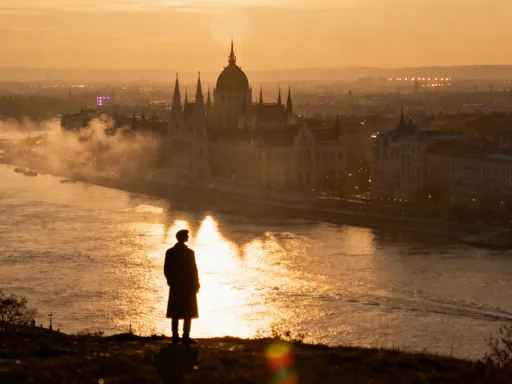
The promenade begins near the iconic UFO Bridge, so named for the flying-saucer-shaped observation deck perched atop its single pylon. From here, the path runs parallel to the river, passing modern sculptures, seating areas, and occasional food trucks. As you walk south, the Old Town gradually comes into view, with Bratislava Castle standing high above the riverbanks. In the early morning, mist often hovers over the water, softening the outlines of the city and creating a dreamlike atmosphere. Runners and cyclists share the wide path, moving at their own pace, while couples sit on benches watching the boats drift by.
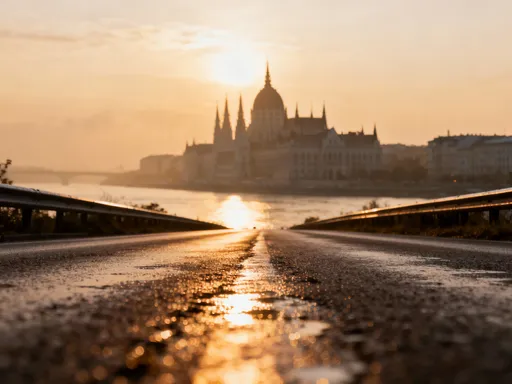
One of the most striking features of this route is the play of light. At sunset, the western-facing buildings catch the last rays of the sun, their windows glowing like embers. After dark, the city transforms: the castle is floodlit, the UFO Bridge illuminates in shifting colors, and the water mirrors the urban glow. This is one of the best places in Bratislava to experience the city’s quieter romance—without music, without crowds, just the sound of water and distant traffic.
The promenade is fully accessible, with smooth paving and ramps, making it suitable for strollers, wheelchairs, and people with limited mobility. Public restrooms and drinking fountains are available at intervals, and several cafes and kiosks offer coffee, ice cream, and snacks. In summer, open-air events like film screenings and music performances are held along the riverbank, adding to the lively yet relaxed atmosphere. Whether you walk it at dawn, midday, or midnight, the Danube Promenade offers a different kind of elevation—one of mood and memory, rather than altitude.
Practical Tips for Hiking Bratislava Like a Local
To make the most of Bratislava’s hiking opportunities, a few practical considerations can greatly enhance your experience. First, timing matters. Summer months, especially July and August, can be hot and humid, making midday hikes uncomfortable. Early mornings or late afternoons are ideal, offering cooler temperatures and softer light. Spring and autumn provide the most pleasant conditions, with mild weather and vibrant seasonal colors. Winter hikes are possible but require appropriate clothing, as paths can be icy and daylight is limited.
Footwear is essential. While the Danube Promenade requires only comfortable walking shoes, trails like Devínska Kobyla demand sturdy hiking shoes with good grip. The limestone terrain can be slippery, and roots or loose stones may pose tripping hazards. A small backpack with water, a light snack, and a windproof jacket is recommended, even for short hikes. Sun protection, including a hat and sunscreen, is important, especially on exposed summits.
Public transportation in Bratislava is efficient and integrates well with outdoor activities. Trams and buses reach most trailheads, including Devín, Kamzík, and the Petržalka riverfront. The city’s public transit system uses a zone-based ticketing model, and single rides or day passes can be purchased at kiosks or via mobile apps. It’s wise to check schedules in advance, as service may be less frequent on weekends or holidays.
For navigation, digital tools are reliable. The app Mapy.cz, widely used in Central Europe, offers detailed offline maps of hiking trails, elevation profiles, and user reviews. It’s more accurate than general-purpose navigation apps in rural or forested areas. Printed maps are also available at tourist information centers and some hotels. Always let someone know your planned route and expected return time, especially if hiking alone.
Finally, respect for nature and local customs enhances the experience for everyone. Slovaks value cleanliness in public spaces, so carry out all trash and avoid picking plants or disturbing wildlife. Stick to marked trails to protect fragile ecosystems. Many locals greet each other with a simple 'Dobrý deň' (Good day), and returning the gesture fosters goodwill. By following these small but meaningful practices, visitors can enjoy Bratislava’s hills and rivers as respectfully and authentically as the people who call them home.
Why These Views Change How You See the City
Each viewpoint around Bratislava does more than offer a pretty picture—it reshapes your understanding of the city. From the summit of Devínska Kobyla, you see not just a capital, but a crossroads of geography, history, and culture. From the Castle Hill loop, the skyline tells a story of continuity, where medieval fortresses stand beside modern bridges. Along the Danube Promenade, the reflection on the water blurs the line between past and present, nature and city. These moments of clarity don’t come from rushing between attractions, but from slowing down, stepping off the pavement, and walking with intention.
There is a quiet pride that comes from reaching a viewpoint under your own power. No cable car, no elevator—just steady steps and deep breaths. That effort makes the view more meaningful. It’s not just what you see, but how you arrive. In an age of fast travel and instant images, hiking reminds us that some rewards are earned, not given. Bratislava, often overlooked as a mere stopover between Vienna and Budapest, reveals its depth only to those willing to look beyond the surface.
The hills, the river, the forests—they are not separate from the city, but part of its soul. To walk them is to understand Bratislava as locals do: not as a checklist of sights, but as a living landscape shaped by time, water, and human hands. This is a city that rewards curiosity, that reveals its beauty gradually, one path at a time. So take the longer route. Let the trail guide you. Because sometimes, the best way to know a place is not by seeing it all at once, but by discovering it step by step, breath by breath, view by unfolding view.