Karachi’s Wild Side: What No One Tells You About Its Natural Sanctuaries
You know how everyone talks about Karachi’s food, chaos, and coastline? But honestly, I never expected to find quiet, wild beauty hidden in this bustling city. When I set out to explore its so-called “protected areas,” I quickly realized most travelers get it wrong. Some spots are misrepresented, others are poorly maintained or simply inaccessible. This is not just about avoiding disappointment—it’s about respecting nature and making smarter choices. Let me take you through what *really* works.
First Impressions: Why Karachi’s Natural Side Surprised Me
Karachi is often described as a city of noise, movement, and relentless energy. With over 16 million residents, it pulses with life—markets overflowing, traffic snarls stretching for miles, and the scent of street food drifting through humid air. For years, I assumed that nature, in any meaningful sense, had long been paved over. The idea of finding untouched green spaces here seemed like wishful thinking. Then, quite by accident, I came across a mention of protected zones within city limits—areas designated for conservation, greenery, and ecological balance. That sparked a curiosity I couldn’t ignore.
My first reaction was skepticism. Could a megacity like Karachi truly host natural sanctuaries? Was this just bureaucratic labeling, or was there real ecological value? I began researching Pakistan’s environmental policies and discovered that the country does recognize several categories of protected areas, including national parks, wildlife sanctuaries, and marine reserves. Karachi, despite its urban sprawl, is included in regional conservation planning, particularly along its coastal belt and near the Indus River delta. The Sindh Wildlife Department oversees these zones, though enforcement and public awareness remain inconsistent.
What surprised me most was not just the existence of these spaces, but the gap between their official status and actual condition. Many are underfunded, understaffed, or compromised by encroachment and pollution. Yet, within this complexity, there are pockets of resilience—places where nature persists, and where thoughtful visitors can still experience a different side of Karachi. This journey became less about ticking off tourist spots and more about understanding what conservation truly means in an urban context.
What “Protected Area” Really Means in Pakistan (And Why It’s Tricky)
The term “protected area” carries weight. It suggests safety, preservation, and intentional stewardship. In Pakistan, the legal framework for such areas is rooted in the Pakistan Environmental Protection Act of 1997 and the Sindh Wildlife Protection Ordinance of 1972. These laws define protected zones as regions where human activity is restricted to safeguard biodiversity, ecosystems, and endangered species. On paper, this sounds promising. In practice, however, the reality is more complicated.
There is a significant gap between policy and implementation. Many designated areas lack clear signage, visitor facilities, or active monitoring. Some are listed in official records but receive little to no management. Others face constant pressure from illegal construction, waste dumping, and unchecked public access. The designation itself does not guarantee protection—it often depends on political will, funding, and community engagement, all of which vary widely across regions.
In Karachi, protected areas fall into several categories. Wildlife sanctuaries are meant to shield animal populations, such as the endangered Indus river dolphin or migratory birds. Marine reserves aim to preserve coastal ecosystems, including coral reefs and seagrass beds. Urban green belts, like city parks or tree-lined corridors, are sometimes included in conservation plans, though their ecological function is limited compared to natural habitats. The challenge lies in distinguishing between spaces that are genuinely conserved and those that are merely labeled as such for administrative convenience.
Local policies further complicate access. Some areas are technically open to the public but require permits that are difficult to obtain. Others are poorly connected by public transport, making them inaccessible to most residents. Maintenance is another issue—overgrown trails, broken fencing, and lack of waste disposal systems diminish both safety and ecological integrity. For the average traveler, this means that visiting a “protected area” in Karachi requires not just curiosity, but careful research and realistic expectations.
The Hingol National Park Hype—And Why It’s Not in Karachi
If you’ve read travel blogs or social media posts about nature near Karachi, you’ve likely seen Hingol National Park mentioned as a must-visit. Spanning over 6,000 square kilometers, it’s Pakistan’s largest national park and home to dramatic landscapes—barren mountains, salt glaciers, and the famous Princess of Hope rock formation. It’s also a habitat for the endangered Arabian leopard and the urial, a wild sheep species. The images are striking, and the allure is understandable.
But here’s the truth: Hingol National Park is not in Karachi. It’s located in Balochistan, approximately 400 kilometers west of the city. The drive takes at least six hours on winding, often poorly maintained roads. While it’s a legitimate destination for serious nature travelers, it is not a feasible day trip or weekend escape for most Karachi residents or short-term visitors. Yet, it is frequently misrepresented as a nearby attraction, creating false expectations.
This misattribution stems from a mix of geographic confusion and marketing exaggeration. Some tour operators include Hingol in Karachi itineraries, either out of ignorance or to make packages seem more appealing. Travel influencers sometimes blur the lines, posting photos with captions like “Nature escape from Karachi!” without clarifying the distance. The result is a distorted perception of what’s accessible.
For those seeking authentic natural experiences within a reasonable reach of the city, there are better alternatives. The Indus Delta, located southeast of Karachi, hosts one of the world’s largest arid climate mangrove forests. The Guddu Barrage Wildlife Sanctuary, while farther inland, supports migratory bird populations. Closer still, the hill areas near Gadap and the Drigh Road Lake offer limited but real opportunities for birdwatching and quiet reflection. These may not have the drama of Hingol, but they are more honest choices for urban dwellers seeking nature.
The Real Options: Urban Parks Passing as “Protected”
Given the limitations of true wilderness access, most Karachi residents turn to urban parks for their nature fix. Two of the most prominent are Bagh Ibne Qasim and Aziz Bhatti Park. Both are well-maintained, widely visited, and often described as green sanctuaries within the city. While they offer valuable recreational space, it’s important to recognize that they are not protected areas in the ecological sense.
Bagh Ibne Qasim, located in the affluent Clifton area, spans 130 acres and was inaugurated in 2007. Designed with manicured lawns, walking trails, and decorative fountains, it provides a pleasant environment for families, joggers, and fitness groups. The park features over 80 species of trees and shrubs, many imported for aesthetic appeal rather than native biodiversity. While it supports some birdlife and insects, its ecosystem is highly managed and artificial. Security is visible, and entry is regulated, contributing to a sense of order and safety uncommon in other public spaces.
Aziz Bhatti Park, situated in North Nazimabad, is similarly structured. Opened in the 1980s and renovated in recent years, it includes playgrounds, jogging tracks, and shaded seating areas. It serves as a community hub, especially on weekends, when families gather for picnics and children play in designated zones. Like Bagh Ibne Qasim, it offers greenery and fresh air—a welcome contrast to concrete-heavy neighborhoods—but it does not function as a wildlife habitat or conservation site.
Calling these parks “protected areas” stretches the definition. They are urban green spaces, not natural reserves. Their primary purpose is recreation, not ecological preservation. Yet, they play an important social role. In a city with limited public amenities, they provide safe, inclusive environments where people can connect with nature, even if in a curated way. For many women and families, these parks are among the few accessible outdoor spaces where they can spend time together without concern for safety or cost.
Mangroves: Karachi’s Actual Ecological Treasure (And Who’s Protecting Them)
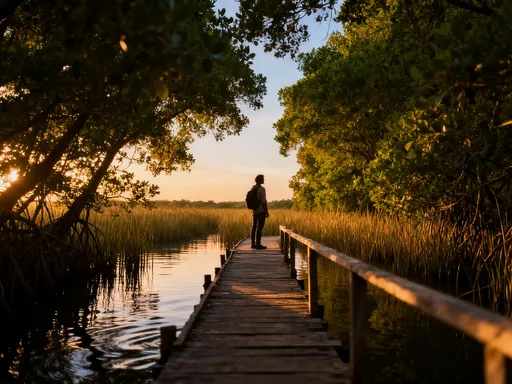
If Karachi has a true natural sanctuary, it lies in its mangrove forests. Stretching along the Indus Delta and parts of the Karachi coast, these salt-tolerant trees form one of the most vital ecosystems in the region. The Indus Delta mangroves cover approximately 600 square kilometers, making them the largest arid-climate mangrove forest in the world. They serve as nurseries for fish, buffer against coastal erosion, and sequester significant amounts of carbon—critical functions in the face of climate change.
Yet, these forests have faced severe degradation. Over the past few decades, upstream water diversion, industrial pollution, and illegal logging have reduced mangrove cover by more than 60%. What remains is under constant threat. Recognizing this, several NGOs and community groups have stepped in to lead restoration efforts. The Sindh Forest Department, in collaboration with organizations like the World Wildlife Fund (WWF) Pakistan and the Pakistan Fisherfolk Forum, has initiated large-scale planting campaigns, engaging local communities in reforestation and monitoring.
One of the most encouraging developments is the rise of community-led conservation. In villages along the delta, residents are trained to plant and protect mangroves, often earning small stipends for their work. Women’s groups have formed nurseries to grow saplings, turning ecological restoration into a source of livelihood. These efforts are not just about saving trees—they’re about empowering people who depend on the ecosystem for fishing and storm protection.
For responsible travelers, visiting these areas is possible through guided eco-tours. Organizations like WWF Pakistan and local environmental groups occasionally offer educational trips to mangrove sites, emphasizing low-impact practices. These tours are not marketed as typical sightseeing—they’re structured as learning experiences, with strict rules against littering, noise, or disturbing wildlife. Visitors are encouraged to participate in planting saplings, gaining a deeper understanding of the challenges and rewards of conservation.
The key is to avoid greenwashing. Some private operators advertise “mangrove adventures” without proper permits or environmental safeguards. These trips may involve motorized boats that damage roots or large groups that trample young growth. Authentic eco-tours are small, educational, and led by trained naturalists. They prioritize the health of the ecosystem over spectacle, offering a quieter, more meaningful connection to nature.
Avoiding the Pitfalls: Practical Tips for Responsible Exploration
Exploring Karachi’s natural spaces requires more than just enthusiasm—it demands preparation and discernment. The first step is research. Before visiting any site labeled as a “protected area,” verify its status through official sources such as the Sindh Wildlife Department or reputable environmental NGOs. Look for recent visitor reviews, but be cautious of overly polished marketing content. If a place promises untouched wilderness within 30 minutes of the city center, it’s likely too good to be true.
Timing matters. The best months to visit outdoor spaces in Karachi are November through February, when temperatures are milder and humidity is lower. Summer months, especially May through August, bring extreme heat and monsoon rains, making outdoor activities uncomfortable and sometimes hazardous. Early mornings are ideal for park visits, offering cooler temperatures and fewer crowds—particularly important for women and families seeking a peaceful experience.
Safety is another consideration. While urban parks like Bagh Ibne Qasim are generally secure, more remote areas require caution. Always travel in groups, inform someone of your plans, and avoid isolated trails. Mobile networks can be unreliable in coastal or rural zones, so carry a physical map and emergency supplies. For mangrove visits, only go with authorized guides and registered organizations. Never attempt to explore these fragile ecosystems alone.
Transportation in Karachi can be challenging. Public transit to natural areas is limited, so most visitors rely on private vehicles or ride-sharing services. For eco-tours, some organizations provide group transport from the city. Plan ahead and confirm logistics in advance. Fuel efficiency, parking availability, and road conditions should all be factored into your itinerary.
What you bring also makes a difference. Pack light: reusable water bottles, sunscreen, hats, and insect repellent. Avoid single-use plastics—carry a small bag for trash and bring it back with you. Wear modest, comfortable clothing suitable for the climate and cultural norms. For women, loose-fitting cotton garments are both practical and respectful. If visiting religious or community-managed sites, dress conservatively out of courtesy.
Know when to turn back. If a site appears overcrowded, littered, or poorly maintained, consider postponing your visit. Overuse harms fragile environments. Similarly, if weather conditions deteriorate or local authorities advise against entry, respect those warnings. Responsible travel means prioritizing the well-being of the place over personal convenience.
Rethinking Nature Travel in a Megacity: Lessons Beyond Karachi
The challenges facing Karachi’s natural spaces are not unique. Cities around the world struggle to balance development with conservation. What makes Karachi’s case instructive is the contrast between its vibrant urban life and the quiet persistence of nature. The mangroves, the urban parks, the overlooked wetlands—they remind us that ecological value isn’t measured only in grand landscapes, but in resilience, function, and community care.
Travelers have a role to play in this balance. By choosing authentic experiences over marketed illusions, by supporting genuine conservation efforts, and by practicing low-impact habits, visitors can become allies in protection rather than sources of pressure. Every responsible choice—refusing plastic, respecting boundaries, learning from local stewards—contributes to a culture of care.
For women and families, these spaces offer more than recreation—they provide opportunities for education, connection, and empowerment. A child who plants a mangrove sapling, a mother who walks safely through a clean park, a community that restores its coastline—these are acts of hope. They show that even in the most unlikely places, nature can thrive when given a chance.
The lesson extends beyond Karachi. In any megacity, true nature travel isn’t about escaping to wilderness—it’s about engaging with the living systems that sustain us. It’s about seeing urban green spaces not as luxuries, but as essential infrastructure. And it’s about understanding that conservation begins with awareness, continues with action, and grows through shared responsibility.
Karachi’s wild side may not match the drama of distant national parks, but it offers something equally valuable: a chance to witness nature’s quiet resilience, and to become part of its renewal. The next time you hear about a “hidden sanctuary” in the city, don’t just go—look deeper, ask questions, and choose wisely. Because the best way to honor nature is not just to visit it, but to protect it.