How Massage Therapy Quietly Transforms Recovery – A Clinician’s Insight
Ever wonder why so many rehab programs include massage therapy? It’s not just about relaxation. As a rehabilitation specialist, I’ve seen how targeted massage techniques support healing, reduce pain, and improve mobility. Backed by science and refined through practice, this modality goes beyond comfort—it’s a functional tool. In this article, we’ll explore how massage integrates into recovery, what makes it effective, and how it complements professional treatment plans. Always consult a healthcare provider before starting any new therapy.
The Hidden Power of Touch in Rehabilitation
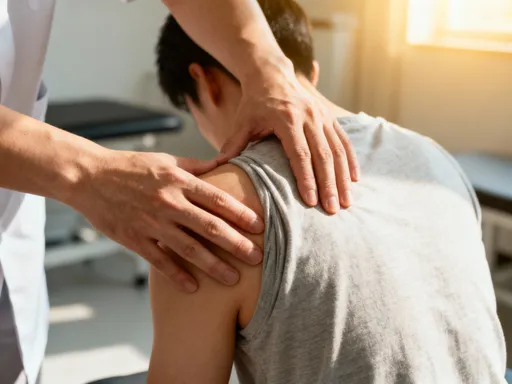
Massage therapy, when applied within a clinical rehabilitation context, is far more than a luxury or stress-relief ritual. It is a purposeful intervention designed to influence physiological processes critical to recovery. Unlike spa-based massage, which primarily aims to promote general well-being, medical or therapeutic massage is integrated into treatment plans with specific goals: reducing muscle spasm, enhancing tissue repair, and restoring movement patterns. This distinction is essential, as the intent, technique selection, and timing all align with clinical outcomes rather than comfort alone.
The body responds to skilled touch in measurable ways. One of the most immediate effects of therapeutic massage is improved circulation. When blood flow increases to injured or overused tissues, oxygen and nutrient delivery are enhanced, while metabolic waste products such as lactic acid are cleared more efficiently. This creates a more favorable environment for healing. Simultaneously, massage helps reduce muscle tension by interrupting the cycle of hypertonicity—where muscles remain in a state of excessive contraction due to injury, overuse, or pain. This reduction in tension can lead to improved joint range of motion and decreased discomfort during movement.
Another powerful yet often overlooked benefit is the effect of massage on the nervous system. Chronic pain and injury can lead to an overactive sympathetic nervous system—the body’s “fight-or-flight” response—resulting in heightened muscle tone, reduced tissue perfusion, and increased pain sensitivity. Therapeutic massage has been shown to activate the parasympathetic nervous system, promoting a state of calm and reducing overall physiological stress. This shift not only improves comfort but also supports healing by lowering cortisol levels and reducing systemic inflammation.
Despite these benefits, a common misconception persists: that massage is merely a soothing indulgence with little clinical value. This view overlooks the growing body of evidence supporting its use in structured rehabilitation. For example, patients recovering from orthopedic surgery often experience significant muscle guarding and limited mobility in the early stages of recovery. In such cases, gentle manual techniques like effleurage or lymphatic drainage can reduce swelling and prepare tissues for more active therapies. Similarly, individuals with chronic lower back pain may benefit from targeted soft tissue work that addresses muscular imbalances contributing to their discomfort. When applied with intention and precision, massage becomes not just supportive care, but a functional component of recovery.
Why Pain Stalls Recovery—And How Massage Helps Break the Cycle
Pain is not just a symptom—it is a complex physiological signal that can significantly hinder the healing process when left unmanaged. One of the primary ways pain interferes with recovery is through muscle guarding, a protective mechanism in which the body involuntarily tightens muscles around an injured area. While this response is initially protective, prolonged guarding leads to increased muscle tension, reduced flexibility, and altered movement patterns. Over time, these changes can create a self-perpetuating cycle: pain causes tension, tension restricts movement, restricted movement leads to weakness and stiffness, and this, in turn, generates more pain.
This cycle is particularly evident in conditions such as chronic neck or back pain, post-surgical stiffness, or repetitive strain injuries. For instance, a person recovering from a shoulder injury may subconsciously limit movement to avoid discomfort, leading to tightening of the surrounding musculature. As the muscles shorten and lose elasticity, the joint’s range of motion diminishes, placing additional strain on adjacent structures. This compensatory pattern increases the risk of secondary injuries and delays return to normal function. Without intervention, the body adapts to this restricted state, making full recovery more difficult.
Massage therapy plays a crucial role in interrupting this pain-tension cycle. By applying specific manual techniques, therapists can release hypertonic muscles, deactivate trigger points—localized areas of muscle spasm that refer pain to other regions—and restore more normal tissue texture and mobility. Techniques such as sustained pressure on trigger points or cross-fiber friction can break down adhesions and improve muscle extensibility. As muscle tension decreases, joint mechanics improve, allowing for safer and more effective participation in physical therapy and strengthening exercises.
Additionally, massage influences the way the nervous system processes pain signals. Through repeated, controlled stimulation of soft tissues, massage can help modulate pain perception by affecting the gate control theory of pain—essentially “closing the gate” to pain signals in the spinal cord. This neurological effect, combined with the mechanical release of tight tissues, makes massage a dual-action tool in pain management. When used strategically within a rehabilitation plan, it enables patients to move more freely, engage more fully in their recovery, and experience meaningful reductions in discomfort.
Science Behind the Soothing: What Research Says
The integration of massage therapy into clinical rehabilitation is increasingly supported by scientific research. While anecdotal reports of pain relief and improved mobility have long existed, modern studies provide measurable evidence of its physiological impact. One of the most consistent findings across research is massage’s ability to reduce levels of cortisol, a hormone associated with stress and inflammation. Elevated cortisol can impair tissue healing and contribute to muscle breakdown, so its reduction through massage creates a more favorable internal environment for recovery.
Studies have also demonstrated that massage can influence inflammatory markers at the cellular level. A landmark study published in the journal *Science Translational Medicine* found that massage therapy after intense exercise reduced the expression of genes involved in inflammation and promoted mitochondrial biogenesis—the process by which cells increase energy production. This suggests that massage not only soothes sore muscles but also actively supports cellular repair and adaptation. For individuals recovering from injury or surgery, such biological changes can translate into faster healing and reduced recovery time.
In clinical settings, massage has shown particular promise in post-surgical rehabilitation. Research involving patients after joint replacement surgery indicates that those who received regular massage therapy reported lower pain scores, required fewer analgesics, and demonstrated improved range of motion compared to control groups. Similarly, in sports medicine, athletes recovering from muscle strains or ligament injuries have benefited from massage protocols that accelerate the resolution of swelling and improve tissue elasticity. These outcomes are not merely subjective; they are reflected in objective measures such as goniometry readings and functional performance tests.
It is important to emphasize, however, that the benefits of massage are most pronounced when it is part of a comprehensive rehabilitation strategy. Massage alone is unlikely to resolve complex musculoskeletal issues, but when combined with targeted exercises, manual therapy, and medical oversight, it enhances overall outcomes. The evidence supports its role as a complementary modality—one that amplifies the effects of other treatments rather than replacing them. As research continues to evolve, the clinical community is gaining a clearer understanding of which patients, conditions, and timing protocols yield the best results.
Types of Massage That Actually Support Healing
Not all massage techniques are created equal, especially when it comes to rehabilitation. Different modalities serve distinct therapeutic purposes, and selecting the appropriate type is essential for achieving specific recovery goals. Among the most widely used and evidence-supported techniques are Swedish massage, deep tissue massage, myofascial release, and neuromuscular therapy. Each has unique characteristics and applications, making them suitable for different stages and types of recovery.
Swedish massage, often perceived as a relaxation-focused technique, has legitimate clinical applications in early-stage rehabilitation. Its gentle, flowing strokes—such as effleurage and petrissage—help increase blood circulation and promote lymphatic drainage, making it particularly useful after surgery or acute injury when swelling is a concern. While it does not address deep tissue restrictions, its ability to calm the nervous system and prepare tissues for more intensive work makes it a valuable starting point in many rehab programs.
Deep tissue massage, as the name suggests, targets deeper layers of muscle and connective tissue. It uses slower, more focused pressure to release chronic tension and break down scar tissue or adhesions. This technique is especially beneficial for individuals recovering from sports injuries, repetitive strain, or long-standing postural imbalances. However, it must be applied cautiously and with proper assessment, as excessive pressure too early in recovery can exacerbate inflammation or cause microtrauma. When timed appropriately, deep tissue work can restore muscle length and improve joint mechanics.
Myofascial release focuses on the fascia—the web-like connective tissue that surrounds muscles, organs, and bones. Trauma, inflammation, or poor posture can cause fascial restrictions, leading to pain and limited mobility. Myofascial techniques involve sustained pressure or gentle stretching to release these restrictions, often resulting in immediate improvements in movement. This approach is frequently used in cases of chronic back pain, whiplash, or postural dysfunction, where traditional muscle-focused treatments may not fully resolve symptoms.
Neuromuscular therapy addresses the relationship between the nervous system and muscular function. It involves precise pressure on trigger points—hyperirritable spots in skeletal muscle that are associated with palpable nodules. By deactivating these points, therapists can alleviate referred pain and restore normal muscle function. This technique requires a high level of skill and anatomical knowledge, making it a practitioner-dependent modality. Patients with conditions like tension headaches, sciatica, or tennis elbow often respond well to neuromuscular interventions.
While professional treatment is essential for most of these techniques, some self-care tools can support ongoing recovery. Foam rollers, massage balls, and handheld devices can help maintain muscle mobility between sessions, particularly for large muscle groups like the calves, hamstrings, or back. However, users should be educated on proper technique to avoid overuse or injury. Ultimately, the choice of massage type should be guided by a healthcare provider or licensed therapist familiar with the individual’s condition and recovery goals.
Who Benefits Most? Mapping Therapy to Recovery Profiles
Massage therapy is not a one-size-fits-all solution, but certain patient populations consistently experience meaningful benefits when it is appropriately integrated into their care. Among the most common beneficiaries are athletes recovering from sports injuries, individuals undergoing post-surgical rehabilitation, and those managing chronic conditions such as repetitive strain injuries or age-related stiffness. Each group presents unique challenges, and massage can be tailored to address their specific needs.
Athletes, for example, often experience muscle fatigue, microtears, and inflammation due to intense training. In this context, massage serves both preventive and rehabilitative functions. Regular sessions can enhance recovery between events, reduce the risk of overuse injuries, and improve flexibility. After an injury such as a hamstring strain or ankle sprain, targeted massage helps reduce scar tissue formation, restore muscle length, and support a safe return to sport. Timing is critical—massage is typically avoided in the acute phase of injury but becomes increasingly valuable during the subacute and remodeling phases.
Post-surgical patients also derive significant benefits, particularly after orthopedic procedures like joint replacements or spinal surgeries. Early mobilization is a key goal in post-op care, but pain and swelling often limit movement. Gentle massage techniques, especially lymphatic drainage, can reduce edema and improve circulation, facilitating earlier engagement in physical therapy. As recovery progresses, deeper techniques may be introduced to address muscle guarding and joint stiffness. For older adults, who may have reduced tissue elasticity and slower healing rates, this support can be especially impactful.
Individuals with repetitive strain injuries—such as those caused by prolonged computer use or manual labor—often develop chronic tension in the neck, shoulders, and forearms. Massage helps break the cycle of overuse by releasing tight muscles, improving posture, and reducing nerve compression symptoms like tingling or numbness. Similarly, older adults experiencing age-related stiffness or reduced mobility can benefit from regular massage that maintains soft tissue health and supports functional independence.
It is crucial to note that massage is not appropriate for everyone, and certain contraindications must be respected. Acute inflammation, open wounds, deep vein thrombosis, and certain blood disorders are conditions where massage could pose risks. Additionally, individuals with osteoporosis or recent fractures require modified techniques to avoid injury. A thorough assessment by a qualified healthcare provider is essential before beginning any massage therapy, ensuring that the approach is safe and aligned with the individual’s medical status.
Integrating Massage into a Smart Recovery Plan
For massage therapy to be truly effective, it must be thoughtfully integrated into a broader recovery strategy. It is not a standalone cure, nor should it replace medical treatment, physical therapy, or prescribed exercise. Instead, it functions best as a complementary modality that enhances the outcomes of other interventions. When positioned correctly within a treatment timeline, massage can accelerate progress, reduce discomfort, and improve patient adherence to rehabilitation programs.
Timing and frequency are key considerations. In the early stages of recovery, especially after surgery or acute injury, gentle techniques such as lymphatic drainage or light effleurage may be used two to three times per week to manage swelling and promote circulation. As healing progresses, sessions may shift to weekly or biweekly intervals, focusing on restoring muscle balance and joint mobility. Some patients benefit from pre-session massage before physical therapy, as loosened muscles respond better to stretching and strengthening exercises. Others find post-session massage helpful for managing soreness and improving recovery between workouts.
Coordination among healthcare providers is essential. Physical therapists, physicians, and massage therapists should communicate about treatment goals, progress, and any changes in the patient’s condition. This collaborative approach ensures continuity of care and prevents conflicting interventions. For example, if a physical therapist is working on gait retraining after a knee injury, the massage therapist can focus on releasing tight quadriceps or hamstrings that may be limiting progress. This synergy maximizes efficiency and supports faster functional gains.
Choosing a qualified practitioner is equally important. Not all massage therapists are trained in clinical or rehabilitation techniques. Patients should seek licensed professionals with experience in medical massage, sports therapy, or working with specific conditions such as post-surgical recovery or chronic pain. Credentials, continuing education, and patient references can help guide this decision. Additionally, open communication between the patient and therapist ensures that pressure, technique, and goals are aligned throughout the process.
Beyond the Table: Realistic Expectations and Long-Term Gains
While many people hope for immediate and dramatic results from massage therapy, the most meaningful benefits are often gradual and cumulative. Realistic expectations are essential for sustained progress. Massage is not a miracle cure, but when used consistently and appropriately, it can lead to improved comfort, better sleep, reduced muscle tension, and enhanced participation in rehabilitation activities. These outcomes, while subtle, contribute significantly to overall recovery and quality of life.
One of the most consistent patient-reported benefits is improved sleep quality. Chronic pain and stress often disrupt sleep patterns, which in turn impairs healing. By reducing pain and calming the nervous system, massage can help restore more restful sleep, creating a positive feedback loop that supports recovery. Similarly, many patients report feeling more relaxed and mentally clear after sessions, which can improve motivation and engagement in their recovery journey.
However, overreliance on massage as a sole treatment should be avoided. Some individuals may seek frequent sessions in pursuit of temporary relief without addressing underlying causes such as poor posture, muscle imbalances, or movement dysfunctions. Sustainable recovery requires active participation—through exercise, posture correction, and lifestyle adjustments. Massage should be viewed as a supportive tool that enhances these efforts, not a substitute for them.
In the long term, regular therapeutic massage can contribute to greater resilience and functional independence. For older adults, it may help maintain mobility and reduce fall risk. For athletes, it can support performance and injury prevention. For those managing chronic conditions, it offers a non-pharmacological way to manage pain and improve daily function. When guided by professional oversight and integrated into a holistic plan, massage becomes more than a treatment—it becomes a sustainable practice that supports lifelong health and well-being.