How I Finally Made Exercise Stick — And Transformed My Daily Life
For years, I kept promising myself I’d get active — but nothing lasted. I tried intense workouts, strict schedules, even workout buddies. Nothing clicked. Then I stopped chasing perfection and started small. A five-minute walk. Stretching while my coffee brewed. These tiny shifts didn’t feel like exercise, but they added up. I had more energy, clearer focus, and actually looked forward to moving. Turns out, consistency beats intensity every time. This isn’t about drastic change — it’s about real, doable habits that quietly improve your life.
The Myth of "All or Nothing" Fitness
Many people believe that unless they’re spending an hour at the gym, drenched in sweat and pushing their limits, they’re not truly exercising. This "all or nothing" mindset is one of the most common reasons why fitness resolutions fail. It sets an unrealistic standard — one that demands perfect conditions, endless motivation, and a generous amount of time. For busy individuals, especially those managing households, careers, or caregiving responsibilities, this approach quickly becomes unsustainable. When life gets in the way — as it often does — the inability to meet these high expectations leads to guilt, frustration, and eventually, abandonment of the entire effort.
The problem with this mindset is that it overlooks the true nature of physical health. Fitness isn’t built in isolated, dramatic bursts. It’s cultivated through consistent, manageable actions repeated over time. Research shows that even brief periods of movement, when done regularly, can yield significant health benefits. Yet the cultural narrative often glorifies extreme effort while dismissing small efforts as insignificant. This creates a psychological barrier where anything less than intense exertion feels like failure. The truth is, movement doesn’t have to be grueling to be valuable. In fact, the most effective routines are often the ones that don’t feel like "workouts" at all.
Consider the woman who skips her 6 a.m. spin class because she didn’t sleep well. She might write off the entire day, thinking, "I’ve already failed." But what if she took a 10-minute walk after lunch instead? Or did a few gentle stretches before bed? These actions may seem minor, but they reinforce a healthier relationship with movement — one based on flexibility and self-compassion rather than rigid rules. By letting go of the idea that only long, intense sessions "count," individuals open the door to more realistic, lasting habits.
Why Small, Consistent Movement Works Better
Science supports the power of frequency over intensity when it comes to building sustainable health. The human body responds well to regular stimulation — even in small doses. When movement becomes a frequent part of daily life, the body adapts gradually, improving circulation, enhancing joint mobility, and supporting metabolic function. Short bursts of activity, such as walking up stairs or doing household chores, activate muscles, increase heart rate slightly, and promote the release of endorphins — natural mood boosters. These micro-movements may not burn hundreds of calories, but they contribute to overall vitality in ways that prolonged, infrequent workouts often miss.
One reason small efforts are more effective in the long run is their impact on habit formation. Behavioral research indicates that habits are best built through repetition and consistency, not difficulty. When a behavior is easy and requires minimal willpower, it’s more likely to be repeated. Over time, these repetitions solidify into automatic routines. A five-minute walk after dinner, for example, becomes a natural part of the evening rhythm rather than a chore. In contrast, demanding workouts often rely heavily on motivation — a resource that fluctuates daily. When motivation dips, the routine collapses. But when the bar is low, the habit persists.
Additionally, small movements offer psychological advantages. Completing a manageable task creates a sense of accomplishment, which reinforces positive behavior. This builds confidence and reduces the mental fatigue associated with constant self-discipline. Instead of viewing exercise as a burden, individuals begin to associate it with feeling capable and in control. This shift in perception is crucial. It transforms movement from something endured into something enjoyed — a subtle but powerful change that supports long-term adherence.
Redefining "Exercise" — Beyond the Gym
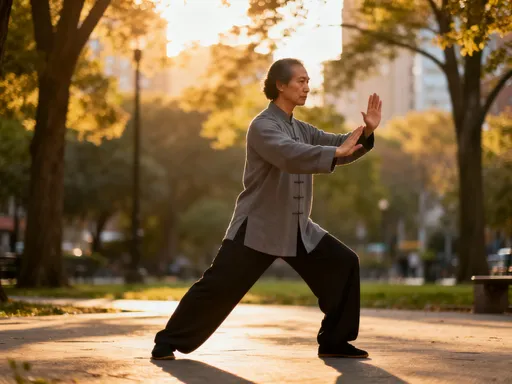
The word "exercise" often conjures images of treadmills, weight rooms, or fitness classes. But this narrow definition excludes a vast range of physical activities that contribute meaningfully to health. In reality, exercise isn’t confined to a gym session — it’s any movement that engages the body. Walking to the mailbox, gardening, folding laundry, or playing with grandchildren all involve physical effort and should be recognized as valid forms of activity. When people broaden their understanding of what counts, they begin to see opportunities for movement everywhere.
One important concept in this context is non-exercise activity thermogenesis, or NEAT. This refers to the calories burned through daily physical activities that aren’t formal exercise. NEAT includes fidgeting, standing, walking around the house, or pacing during phone calls. Studies suggest that NEAT can vary significantly between individuals and plays a key role in long-term weight management and metabolic health. Someone who moves frequently throughout the day — even in small ways — may burn hundreds more calories than someone who sits for long periods, regardless of whether they hit the gym.
Think of your day as full of hidden reps. Every time you rise from your chair, carry groceries, or chase after a pet, you’re strengthening muscles, improving balance, and supporting cardiovascular function. These actions may not be structured, but they add up. By reframing everyday movement as valuable, individuals can reduce the pressure to "fit in" a workout. Instead, they learn to integrate activity naturally into their routines. This approach is especially empowering for those who dislike traditional exercise or feel intimidated by fitness culture. It removes the need for special equipment, clothing, or time blocks — making movement accessible to everyone, regardless of schedule or ability.
My 3 Simple Shifts That Made a Real Difference
My own journey began not with a fitness plan, but with a shift in perspective. I stopped trying to overhaul my life and started paying attention to what I could do, not what I thought I should do. The first change was simple: I committed to a five-minute walk every day. No distance goal, no pace requirement — just movement. At first, it felt almost silly. But within weeks, I noticed subtle improvements. I slept better. My mood lifted. And most surprisingly, I started looking forward to those short walks. They became a moment of quiet, a chance to step away from screens and responsibilities.
The second shift was habit stacking — pairing movement with an existing routine. I began stretching while my morning coffee brewed. It took less than three minutes, but it signaled to my body that the day had begun. Later, I added a two-minute shoulder roll and neck release after brushing my teeth. These tiny rituals required no extra time, yet they helped me feel more awake and aligned. Habit stacking works because it leverages behaviors already embedded in daily life. By attaching a new action to a familiar one, the brain treats it as part of the same sequence, increasing the likelihood of follow-through.
The third shift was adopting the "walk-and-talk" rule. Whenever I had a phone call — whether personal or work-related — I took it on foot. Even if it was just pacing around the living room, the act of moving while talking made the conversation feel lighter and more energetic. Over time, I increased the distance, eventually walking around the block during longer calls. This strategy eliminated the excuse of "not having time," as it turned a sedentary activity into an opportunity for movement. I also set micro-goals, such as standing up and moving for two minutes every hour. Using a simple timer, I created reminders that helped me break long periods of sitting. These small actions didn’t feel like exercise, but collectively, they transformed my daily rhythm.
Overcoming Common Mental Blocks
Even with the best intentions, mental barriers can derail progress. One of the most common is the belief that "I don’t have time." For many women, especially those balancing family and work, time feels like the most limited resource. But movement doesn’t require large time blocks. Two minutes here, five minutes there — these fragments add up. The key is to stop waiting for the perfect moment and start using the moments you already have. A few stretches while waiting for dinner to cook, a quick walk after dropping the kids at school — these are not "less than" workouts. They are valid, effective forms of self-care.
Another frequent obstacle is fatigue. Many say, "I’m too tired to exercise," not realizing that gentle movement can actually increase energy. Physical activity improves blood flow, delivers oxygen to the brain, and stimulates the release of neurotransmitters that enhance alertness. A short walk may feel impossible when exhaustion sets in, but it often leads to renewed focus and reduced mental fog. The paradox is that movement creates energy, rather than depleting it. Reframing exercise as a source of vitality, rather than a drain, can shift this mindset.
Some also struggle with the feeling that "this isn’t making progress." Without visible changes on the scale or in the mirror, small efforts can seem pointless. But health improvements aren’t always visible. Better sleep, improved digestion, reduced stress, and increased mental clarity are all signs of progress. Focusing on how movement makes you feel — more grounded, calm, or capable — can be more motivating than tracking physical changes. Additionally, inconsistency doesn’t mean failure. Missing a day isn’t a collapse of the entire effort. It’s a normal part of any sustainable routine. The goal isn’t perfection — it’s persistence. Resetting with kindness, rather than criticism, supports long-term success.
Designing a Routine That Fits *Your* Life
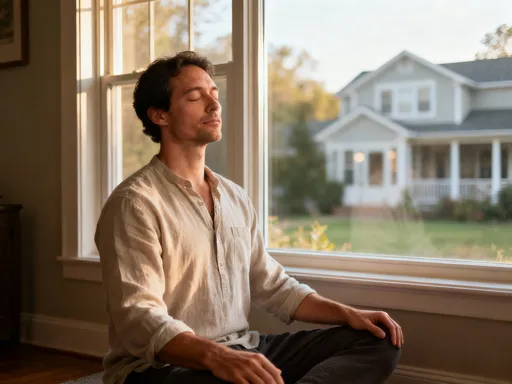
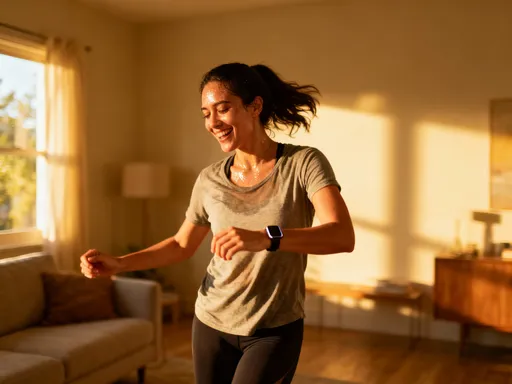
There is no universal formula for movement. What works for one person may not work for another. Some enjoy dancing in the kitchen, while others prefer quiet yoga in the morning. The most effective routines are personalized — built around individual preferences, schedules, and energy patterns. The first step in creating such a routine is awareness. Take a few days to observe your current habits. When do you feel most alert? When are you most sedentary? Where could movement fit naturally? This audit helps identify realistic opportunities without disrupting daily flow.
Start with two anchor habits — simple actions that can become consistent touchpoints. For example, a morning stretch after getting out of bed and a 10-minute walk after lunch. These don’t need to be long or intense. The goal is reliability. Over time, these anchors create a foundation. Once they feel automatic, additional movements can be layered in. Some find success with themed days — light stretching on Mondays, gardening on weekends — which adds variety without pressure.
Tracking can also support progress, but not in the way many expect. Instead of counting steps or calories, consider tracking consistency. Mark a calendar each day you complete your chosen movement, no matter how brief. This visual cue reinforces commitment and builds confidence. Seeing a chain of small successes can be more motivating than any fitness app. The focus shifts from performance to presence — from "Did I do enough?" to "Did I show up for myself?" This subtle change in focus nurtures a healthier, more sustainable relationship with movement.
From Movement to Lifestyle — The Ripple Effect
When movement becomes a regular part of life, its benefits extend far beyond physical health. Improved circulation supports better sleep. Increased energy leads to greater productivity. Enhanced mood reduces stress and emotional reactivity. These changes create a ripple effect, influencing other areas of daily living. Many find that as they move more, they naturally begin to make other healthy choices — drinking more water, eating balanced meals, reducing screen time. The body begins to crave what feels good, and self-care becomes a cycle of positive reinforcement.
Perhaps the most profound shift is in identity. Instead of seeing oneself as someone who "has to force" exercise, the individual begins to identify as someone who moves. This isn’t about labels or labels — it’s about internal alignment. When a behavior is repeated enough, it becomes part of who you are. You don’t "make time" to walk — you walk because it’s simply what you do. This identity shift removes the need for constant motivation. Actions flow naturally from a sense of self, rather than from willpower or obligation.
Progress in health is rarely dramatic. It doesn’t announce itself with fanfare. It’s quiet — a deeper breath, a steadier pace, a moment of presence in a busy day. It’s the ability to play with your children without getting winded, to carry groceries without strain, to feel strong in your own skin. These small victories accumulate into a life of greater resilience and well-being. And they begin not with grand gestures, but with the smallest of steps — taken consistently, with care, and with belief in their value.
Sustainable health isn’t built in gyms or extreme challenges. It’s grown through tiny, repeatable actions woven into daily life. It’s not about perfection, intensity, or visible transformation. It’s about showing up, again and again, in ways that honor your body and your time. Start where you are. Use what you have. Move how you can. Trust that even the smallest effort matters. And remember, when beginning any new health practice, consulting a healthcare professional ensures that your approach is safe and aligned with your individual needs.