How I Calmed My Blood Pressure and Reclaimed My Energy – A Real Journey
High blood pressure used to be my silent roommate — always there, never loud, but slowly draining my energy and peace. I didn’t feel sick, but I didn’t feel alive either. It wasn’t until I committed to long-term changes that I noticed real shifts — more stamina, clearer focus, and a body that felt like mine again. This isn’t about quick fixes. It’s about consistent choices that support lasting blood pressure control and true physical recovery.
The Wake-Up Call: Recognizing the Quiet Threat
For years, life moved at a steady pace — work, family, grocery runs, weekend errands — all wrapped in a rhythm so familiar it felt unshakable. There were no alarming symptoms, no chest pain or dizziness, just a persistent low-grade fatigue that I dismissed as part of getting older. I told myself it was normal to feel worn down by mid-afternoon, to need extra coffee just to finish dinner cleanup. But during a routine physical, the doctor paused, looked at the monitor, and said quietly, 'Your numbers are consistently high.'
That moment was the first time I truly understood what high blood pressure — or hypertension — really meant. It wasn’t a crisis, but a warning. The heart, like any muscle, grows strained when it must push blood through constricted or stiffened arteries. Over time, this extra effort can damage blood vessels, strain the heart, and increase the risk of serious health events. What made it especially dangerous was its silence. Unlike a fever or an injury, hypertension rarely announces itself with dramatic signals. Instead, it works quietly in the background, like a slow leak in a pipe that only reveals its damage when the system finally fails.
For many women in their 30s, 40s, and beyond, this condition sneaks in unnoticed. Stress from managing households, careers, aging parents, and children can all contribute, often without immediate consequences. But the body keeps score. The American Heart Association notes that nearly half of adults in the United States live with high blood pressure, and many don’t know it. The diagnosis wasn’t a sentence — it was an invitation to pay closer attention. It reminded me that wellness isn’t just the absence of illness; it’s the presence of vitality, and that begins with listening to what the body is trying to say.
Why Long-Term Management Beats Quick Fixes
After the diagnosis, my first instinct was to fix it fast. I cut out salt for a week, avoided processed snacks, and walked every evening. My numbers dipped slightly — enough to feel hopeful — but then life got busy. A family gathering meant salty appetizers, a work deadline led to late nights, and soon the old patterns crept back. Within weeks, my blood pressure climbed again. That’s when I realized: short bursts of effort, no matter how well-intentioned, weren’t enough.
Lasting change doesn’t come from extreme diets or sudden fitness overhauls. It comes from consistency. The cardiovascular system responds best to steady, everyday support. Arteries need time to regain elasticity. The heart benefits from gradual reductions in workload, not temporary reprieves. Research shows that people who maintain lifestyle changes over months and years are far more likely to achieve stable blood pressure than those who rely solely on medication or brief health kicks.
This doesn’t mean perfection. It means showing up day after day with small, sustainable choices. It means choosing water over soda most days, not every day. It means walking 20 minutes five times a week, not running a marathon once a month. The goal isn’t to overhaul life overnight but to build a rhythm that supports health naturally. Over time, these repeated actions create a new baseline — one where lower blood pressure isn’t a result of effort, but a reflection of how you live.
Food as Daily Medicine: Small Shifts, Big Impact
Nutrition is one of the most powerful tools for managing blood pressure, yet it’s often misunderstood. It’s not about deprivation or complicated meal plans. It’s about shifting the balance — reducing what strains the body and increasing what supports it. The DASH (Dietary Approaches to Stop Hypertension) eating plan, backed by clinical studies, emphasizes whole grains, fruits, vegetables, lean proteins, and low-fat dairy, all of which contribute to cardiovascular health.
One of the most effective changes is increasing potassium intake. Potassium helps balance sodium levels in the cells and eases tension in blood vessel walls. Foods like sweet potatoes, bananas, spinach, beans, and avocados are rich in this essential mineral. At the same time, reducing processed foods — which are often loaded with hidden sodium — can make a measurable difference. A single canned soup or frozen meal can contain more than half the recommended daily sodium limit, making label reading a crucial habit.
Meal timing and portion size also play a role. Eating too much at once can cause temporary spikes in blood pressure, especially if the meal is high in fat or salt. Smaller, balanced meals spaced throughout the day help maintain steady energy and reduce strain on the heart. Cooking at home allows greater control over ingredients and encourages mindfulness. Even simple swaps — using herbs instead of salt, choosing whole grain pasta over refined — add up over time. Every meal becomes an opportunity to nourish the body and support long-term recovery.
Movement That Fits Life — Not Disrupts It
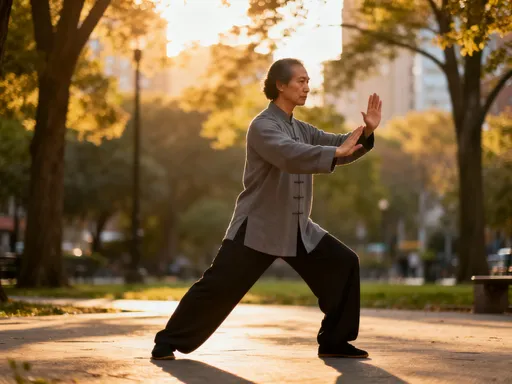
Exercise is often seen as something that must be scheduled, timed, and measured — a chore rather than a joy. But physical activity doesn’t have to mean gym memberships or early-morning runs. For long-term blood pressure control, the most effective movement is the kind you can sustain — regular, moderate effort woven into daily life.
Walking is one of the most accessible and beneficial forms of exercise. A 30-minute walk after dinner not only aids digestion but also helps lower blood pressure by improving circulation and reducing stress hormones. Taking the stairs, parking farther from store entrances, or doing light stretching during TV commercials all contribute to overall activity levels. The key is consistency, not intensity. Studies show that people who engage in moderate physical activity most days of the week experience better vascular function and lower resting blood pressure over time.
Beyond the physical benefits, regular movement supports mental clarity and emotional balance. Endorphins released during activity help reduce anxiety and improve sleep — both of which indirectly support heart health. The goal isn’t to become an athlete but to move the body in ways that feel good and fit naturally into your routine. When exercise becomes part of your rhythm rather than a disruption, it stops being a burden and starts being a gift.
Stress, Sleep, and the Hidden Triggers
While diet and movement are visible parts of health, stress and sleep operate in the background — quiet forces that profoundly influence blood pressure. Chronic stress keeps the body in a state of low-grade alert, releasing hormones like cortisol and adrenaline that constrict blood vessels and raise heart rate. Over time, this constant activation wears down the cardiovascular system, even if you’re eating well and exercising.
Sleep is equally critical. Poor or inconsistent sleep disrupts the body’s natural regulation of stress hormones and blood pressure. During deep sleep, blood pressure naturally dips — a phenomenon known as 'nocturnal dipping.' When sleep is fragmented or insufficient, this restorative drop may not occur, leaving the heart working harder around the clock. Women, especially those in caregiving roles, often sacrifice sleep to meet daily demands, not realizing the long-term cost.
Simple practices can help reset these hidden systems. Deep breathing exercises, even for just five minutes a day, activate the parasympathetic nervous system, signaling the body to relax. Going to bed and waking up at consistent times strengthens the body’s internal clock. Reducing screen time before bed — particularly avoiding bright blue light from phones and tablets — supports melatonin production and improves sleep quality. These habits aren’t indulgences; they are essential acts of healing. Rest is not laziness. It is how the body repairs itself.
Tracking Progress Without Obsession
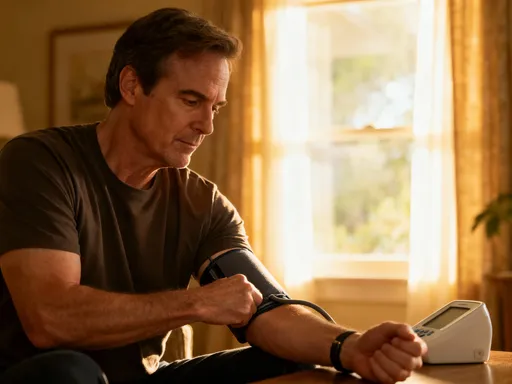
Monitoring blood pressure at home can be a valuable tool — but only if done with the right mindset. The goal isn’t to chase perfect numbers every morning, but to observe trends over time. Home blood pressure monitors are widely available and easy to use, allowing you to gather data in a familiar, relaxed environment.
It’s important to take readings under consistent conditions — same time of day, after resting for five minutes, with feet flat on the floor and back supported. Recording the numbers is helpful, but even more useful is noting what was happening the day before: Did you have a salty meal? Were you stressed at work? Did you sleep poorly? Over weeks, patterns begin to emerge. You might notice that your numbers are higher after busy weekends or lower on days when you walked and ate well.
This kind of tracking fosters awareness without judgment. It’s not about blaming yourself for a high reading, but about understanding your body’s responses. If a spike occurs, it’s a signal, not a failure. Over time, this information empowers you to make informed adjustments. You learn which habits help and which ones hinder. The process becomes less about control and more about partnership with your body.
Building a Life That Supports Healing
True recovery isn’t achieved through isolated actions. It comes from designing a life where healthy choices are the default, not the exception. This means creating an environment that supports your well-being — from the food in your kitchen to the routines in your day.
Social support plays a quiet but powerful role. Sharing your goals with a trusted friend or partner can increase accountability and reduce stress. Simple changes, like planning walks together or cooking healthy meals as a family, turn health into a shared value. At the same time, establishing consistent routines — regular meal times, a set bedtime, scheduled movement — helps regulate the body’s internal systems.
Aligning daily rhythms with natural body needs enhances resilience. Exposure to morning light helps regulate circadian rhythms. Eating meals at consistent times supports metabolic health. Even small rituals — a cup of herbal tea in the evening, five minutes of quiet reflection — reinforce a sense of calm and control. Managing blood pressure long-term isn’t about restriction or fear. It’s about self-respect. It’s about creating a life where vitality isn’t chased, but lived.
Conclusion
Managing blood pressure over the long term isn’t about fear — it’s about respect for your body’s ability to heal when given the right conditions. Recovery isn’t a single event, but the sum of daily choices that add up to lasting vitality. Each meal, each walk, each night of rest is a brick in the foundation of well-being. The journey isn’t always linear, and progress may be slow, but every step forward matters. By choosing consistency over perfection and self-care over sacrifice, you reclaim not just your numbers, but your energy, your focus, and your life. This is not just about living longer. It’s about living fully.