Hidden Gems of Ayutthaya: How to Score the Best Local Souvenirs Like a Pro
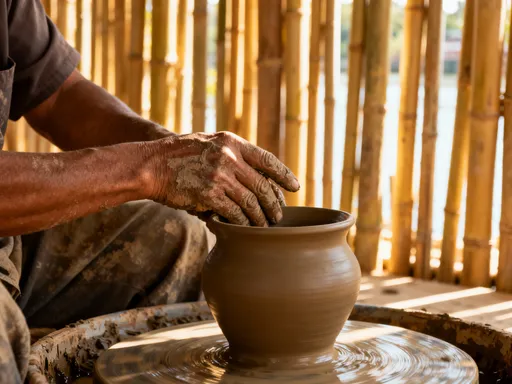
Traveling to Ayutthaya isn’t just about wandering through ancient temple ruins—it’s also about taking home a piece of Thailand’s soul. I still remember stumbling upon a tiny workshop where artisans shaped delicate pottery the same way their ancestors did centuries ago. That moment changed how I shop when I travel. It’s not about what you buy, but how you find it—and the stories behind each item. Ayutthaya, a UNESCO World Heritage Site and former capital of Siam, offers more than breathtaking historical landmarks; it invites visitors into living traditions passed down through generations. From handwoven silk to intricately carved wooden boxes, the city’s local crafts reflect a deep cultural continuity. This guide will help you discover authentic souvenirs, connect meaningfully with local makers, and bring home treasures that carry both beauty and significance.
Why Ayutthaya’s Local Crafts Tell a Deeper Story
Ayutthaya’s legacy as a thriving center of trade, religion, and craftsmanship from the 14th to 18th centuries continues to shape its present-day artisanal identity. The city was once home to diplomats, merchants, and monks from across Asia and Europe, creating a rich cultural mosaic that still influences local design. Today’s handmade goods are not merely decorative—they are quiet ambassadors of history. When you hold a piece of Benjarong porcelain, for instance, you’re touching a tradition refined during the Ayutthaya Kingdom’s golden age. These ceramics, known for their intricate multicolored patterns and gold accents, were once reserved for royalty and high-ranking officials. Now, skilled artisans in small family-run studios continue this delicate art, using techniques nearly unchanged for centuries.
Similarly, Ayutthaya’s silverware and jewelry reflect both aesthetic refinement and spiritual symbolism. Traditional designs often incorporate motifs like lotus blossoms, nagas (mythical serpents), and temple spires—each carrying meanings related to purity, protection, and enlightenment. Unlike mass-produced souvenirs found near major tourist sites, these handcrafted items bear subtle imperfections: slight variations in weight, texture, or engraving depth. Far from flaws, these nuances signal authenticity. They tell you that a real person shaped this object with care, often using tools handed down from their parents or grandparents.
Supporting local crafts is more than a shopping choice—it’s an act of cultural preservation. Many artisans in Ayutthaya rely on tourism to sustain their livelihoods and pass their skills to younger family members. When travelers choose authentic pieces over imported replicas, they help keep endangered traditions alive. A single purchase can mean the difference between a child learning to weave silk or leaving the village for factory work in Bangkok. By understanding the story behind each craft, visitors deepen their travel experience and contribute to a legacy that deserves protection.
Where the Locals Shop: Markets Beyond the Tourist Trail
The weekend market near Wat Lokayasutharam draws crowds with its colorful stalls and convenient location, but those seeking genuine local flavor should venture further. Hidden gems await in quieter corners of Ayutthaya, where daily life unfolds without the lens of tourism. Ban Ko Market, nestled on a small island in the Chao Phraya River, remains largely undiscovered by international visitors. Here, wooden shophouses line narrow lanes, and vendors sell everything from fresh river fish to hand-stitched cotton bags. The rhythm is slower, the interactions warmer. You won’t find price tags in English, but you will be greeted with smiles and patient gestures when you point or mime your interest.
Another lesser-known destination is the row of riverside vendor stalls near the Ang Thong ferry pier. Early each morning, local artisans set up their wares under simple awnings—delicate silver earrings, bundles of hand-dyed silk, and carved soapstone amulets. These vendors often live nearby and produce their goods at home, selling just enough to supplement their household income. Because they aren’t dependent on tourist foot traffic, they tend to be more relaxed about sales, allowing time for conversation and observation. Watching a silk weaver thread her loom or a woodcarver shape a Buddha image offers a rare window into daily craftsmanship.
To navigate these markets with confidence, a few simple strategies help. First, carry small bills—vendors appreciate exact change and rarely have large notes on hand. Second, learn a few basic Thai phrases: “Sawasdee khrap” (hello, for men) or “Sawasdee ka” (for women), “Nok ngai” (expensive), and “Tao rai” (how much?). Even a clumsy attempt at the language opens doors. Third, observe before buying. Notice which stalls locals visit, which items are freshly made, and where artisans are actively working. A vendor shaping a bowl on a potter’s wheel is more likely to sell handmade pieces than one simply unpacking boxes from a van.
The Art of Spotting Authentic vs. Imported Goods
One of the biggest challenges for thoughtful travelers is distinguishing genuine local crafts from imported imitations. Unfortunately, many items labeled as “Thai handmade” are actually mass-produced in factories overseas, particularly in China and Vietnam, then shipped to Thailand for resale. These replicas may look convincing at first glance but lack the soul of authentic work. The key to identifying real craftsmanship lies in the details. Begin with materials: genuine Thai silk has a natural sheen and slight texture, while synthetic versions feel smooth and plasticky. When held up to light, real silk shows subtle irregularities in the weave—tiny bumps or color shifts—that indicate hand-spinning.
For ceramics and pottery, examine the weight and finish. Authentic Ayutthaya clay pieces are typically heavier than their factory-made counterparts and may have slight warping or uneven glaze. Hand-painted designs often show minor brushstroke variations, whereas printed patterns appear perfectly uniform. A quick tap on the edge of a ceramic bowl should produce a clear, resonant ring if it’s well-fired and high-quality. If it sounds dull or hollow, it may be low-grade or machine-made.
Silver items require close inspection as well. Real Thai silver is usually marked with a “925” stamp, indicating sterling quality, though some older artisans may not stamp their work. Look for hand-hammered textures, asymmetrical engraving, and slight differences between similar pieces—these are signs of individual craftsmanship. Be cautious of items that feel too light or have overly perfect patterns; they may be plated or cast rather than hand-forged. If in doubt, ask the artisan to demonstrate their process. A true craftsman will happily show you their tools or explain their technique, while a reseller may give vague answers or change the subject.
Building Connections: How Talking to Artisans Gets You Better Deals
In Ayutthaya, relationships matter more than transactions. A warm greeting and a few minutes of conversation can transform a simple purchase into a meaningful exchange—and often lead to unexpected rewards. Artisans appreciate when visitors show genuine interest in their work. Instead of rushing to buy, take time to ask questions: “How long have you been making this?” “Did you learn from your family?” “What does this pattern mean?” These inquiries signal respect and curiosity, qualities that resonate deeply in Thai culture.
Many artisans are happy to share stories about their craft, especially if they sense sincerity. I once met an elderly potter named Khun Ying who invited me into her backyard kiln after I asked about the firing process. She explained how her mother taught her to mix clay with river silt for strength, and how each firing cycle takes nearly 12 hours. Touched by the conversation, she offered me a small tea set at half price and included a handwritten note in Thai. That moment wasn’t about saving money—it was about human connection.
Respectful gestures go a long way. Removing your shoes before entering a home workshop, accepting a cup of tea with both hands, or offering a slight bow when saying goodbye all demonstrate cultural awareness. Even if your Thai is limited, pointing to a tool and miming its use can spark a smile and a demonstration. These small acts build trust. Over time, regular customers often receive first access to new batches, special discounts, or even invitations to festivals and workshops. Shopping becomes less about consumption and more about community.
Timing, Transport, and Smart Shopping Windows
Timing can make or break your souvenir-hunting success in Ayutthaya. For the best selection and calmest experience, plan your visits between 8:00 and 10:00 a.m. This is when artisans arrive with fresh stock—potters bring newly fired ceramics, weavers lay out fresh silk rolls, and woodcarvers display pieces completed the night before. By midday, popular items may already be sold, especially on weekends when tour groups arrive.
Weekdays are generally quieter and more conducive to relaxed browsing. Tuesday through Thursday sees fewer crowds, allowing for longer conversations and closer inspection of goods. If your schedule permits, avoid holidays and major Buddhist festivals, when many small workshops close for family observances. Early mornings also offer pleasant weather—cooler temperatures and soft light enhance the experience, whether you’re cycling through narrow lanes or sipping tea with a silk maker.
Transportation plays a crucial role in accessing hidden shopping spots. While tuk-tuks provide a fun ride, they limit your range and keep you on main roads. Renting a bicycle, however, unlocks Ayutthaya’s quieter side. Many local markets and home workshops are located just off the beaten path, accessible only by foot or pedal. Bicycles allow you to stop spontaneously, explore side alleys, and discover stalls that appear only in the morning hours. Most guesthouses and hostels offer rentals for under $5 per day, often including a simple lock and basket for carrying purchases.
Syncing your visits with local production rhythms increases your chances of finding unique items. Potters typically fire their kilns every few days, so calling ahead or asking about their schedule can help you time your visit perfectly. Silk weavers may complete a new roll every week, depending on complexity. If you’re interested in a specific craft, don’t hesitate to ask when the next batch will be ready. Some artisans are willing to set aside a piece for you or even customize a design if given notice.
Packing and Protecting Your Purchases
Bringing delicate souvenirs home requires careful planning. A fragile ceramic vase or a hand-painted box won’t survive a bumpy tuk-tuk ride in a backpack. I learned this the hard way after chipping a beautiful Benjarong plate I’d carefully chosen. Bubble wrap and foam padding aren’t always available in small markets, so it’s wise to come prepared. Carrying a lightweight sarong or cotton scarf can serve as instant cushioning—simply wrap your item and secure it in a sturdy bag.
Many artisans are experienced in shipping and will offer to pack items securely. Don’t hesitate to ask for help. They often have access to stronger boxes, corrugated paper, or even wooden crates for larger pieces. Some workshops partner with local couriers and can arrange international shipping for a reasonable fee. This option is especially useful for bulky items like carved furniture or large ceramic jars. Be sure to confirm insurance coverage and tracking options before agreeing to ship.
When flying, consider checking fragile items rather than carrying them on. Wrap them in clothing inside your suitcase for added protection. For high-value pieces like silver or antiques, keep receipts and artisan business cards in case customs officials ask about origin. Thailand has regulations on exporting certain natural materials, particularly wood and plant-based products. Items made from protected species like Siamese rosewood require special permits. To avoid issues, stick to crafts made from common materials like cotton, clay, or commercially available timber. If unsure, ask the seller whether the item complies with export rules.
Making Your Souvenirs Last: Care Tips and Story Preservation
A well-maintained souvenir can become a family heirloom. Proper care ensures that your treasures remain beautiful for years. Thai silk, for example, should be stored in breathable cotton bags or acid-free paper, away from direct sunlight to prevent fading. If washing is needed, hand-wash in cool water with mild detergent and lay flat to dry—never wring or machine-wash. For silver items, regular polishing with a soft cloth and a natural cleaner like lime juice and salt helps maintain shine and prevent tarnish. Ceramics should be dusted gently and kept in stable environments, away from extreme heat or humidity.
But physical preservation is only half the story. The true value of a souvenir lies in its memory. To honor the people behind your purchases, document your experiences. Take photos of the artisans at work, write down their names and stories, and save any cards or notes they give you. These details transform a simple object into a living narrative. When you display a hand-carved wooden box on your shelf, you can tell your grandchildren about the quiet man in Ayutthaya who spent three days shaping it by hand.
Consider creating a travel journal or digital album dedicated to your souvenirs. Include images of the markets, short bios of the makers, and reflections on why each piece matters. Some travelers even scan receipts or sketch the items with notes about their significance. These practices deepen your connection to the journey and inspire others to shop with intention. When friends admire your silk scarf, you won’t just say, “I bought it in Thailand”—you’ll say, “This was woven by a woman named Nok, who taught me how her grandmother used natural dyes from jackfruit bark.”
Shopping with Soul in Ayutthaya
Finding the right souvenir isn’t about ticking a box—it’s about connection. When you choose thoughtfully in Ayutthaya, you support real families, preserve traditions, and bring home more than stuff: you bring back stories. Each handcrafted item carries the imprint of its maker, the echo of history, and the warmth of human effort. Next time you travel, ask not “What can I buy?” but “Who made this, and why does it matter?” That shift changes everything. It turns shopping from a transaction into a tribute. It reminds us that the most meaningful souvenirs aren’t found in malls or tourist plazas—they’re discovered in quiet workshops, riverside stalls, and the hands of those who keep culture alive, one piece at a time.