Flavors on Canvas: How Antigua’s Art and Food Paint a Soulful Journey
Antigua, Guatemala, isn’t just a feast for the eyes—it’s a symphony for the senses. As cobblestone streets echo with history, the air carries whispers of roasted cacao, warm tortillas, and simmering *pepián*. Here, art isn’t confined to galleries; it spills into kitchens, markets, and family tables. I discovered that in Antigua, every meal feels like a masterpiece, crafted with tradition, color, and soul. This is a city where aesthetics and appetite walk hand in hand, where the same hands that weave textiles also shape tamales with reverence. In Antigua, flavor is framed like a painting, and every bite tells a story centuries in the making.
The Living Palette of Antigua
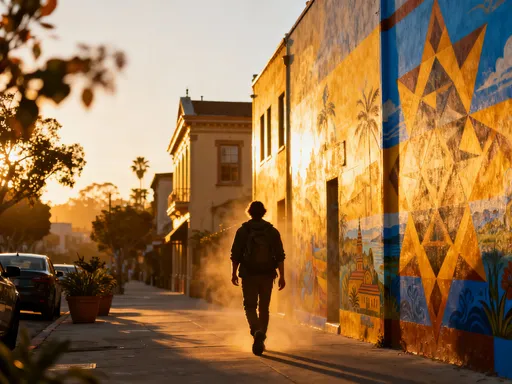
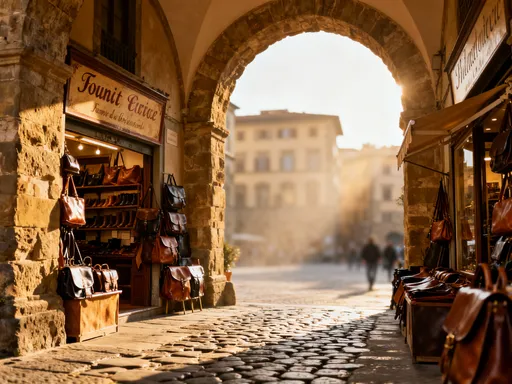
Antigua’s visual identity unfolds like a carefully composed painting, one where every hue and texture contributes to a deeper cultural narrative. The city’s colonial architecture—marked by weathered ochre walls, arched doorways, and red-tiled roofs—stands beneath the watchful presence of three towering volcanoes, creating a natural frame for its artistic soul. Bougainvillea spills over wrought-iron balconies in bursts of magenta and coral, while cobblestone streets glisten after brief afternoon rains, reflecting the soft glow of lantern-lit courtyards. These are not mere backdrops but living elements of a city that sees beauty as essential, not incidental.
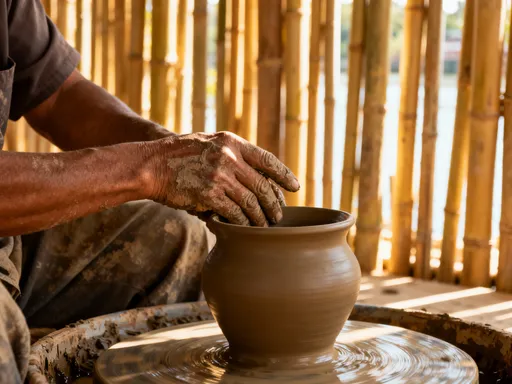
What makes Antigua’s aesthetic so powerful is its continuity. The same earth tones seen in the buildings echo in the clay used for traditional pottery, the same reds that dye textiles are found in the achiote seeds sold at market stalls. This harmony between environment and expression creates a sensory rhythm, preparing visitors to appreciate beauty in all its forms—visual, tactile, and gustatory. The city’s artistic sensibility isn’t limited to galleries or museums; it permeates daily life, from the hand-painted signs above small shops to the intricate floral patterns stitched into *trajes* worn by local women.
This visual language directly influences the way food is prepared and presented. In Antigua, a plate is never just sustenance—it’s a canvas. The care taken in arranging a platter of tropical fruits, the deliberate placement of a sprig of cilantro atop a stew, the colorful layers of a *paches* tamal—each detail reflects an inherited understanding of balance and beauty. The same eye that appreciates a restored colonial façade also delights in the symmetry of a perfectly folded tamal or the golden crust of a freshly baked *pan de elote*. In this way, the city’s artistic environment doesn’t just surround its people—it shapes their culinary instincts, turning cooking into a natural extension of creative expression.
Where Art Meets the Kitchen
In many cultures, cooking is seen as a practical necessity. In Antigua, it is revered as an art form—one passed down through generations with the same devotion as painting, weaving, or music. The kitchen is not merely a workspace but a studio, where ingredients are the medium and memory is the muse. Here, culinary creation is not about following recipes by rote, but about interpreting tradition with heart, adjusting flavors with intuition, and honoring the past with every gesture.
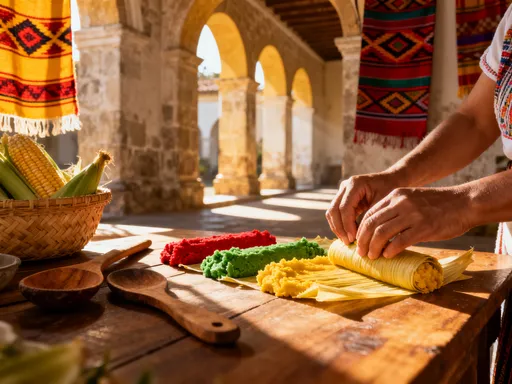
Traditional techniques serve as the brushstrokes of this edible art. The use of the *molcajete*, a volcanic stone mortar and pestle, is more than a method of grinding—it’s a ritual that releases essential oils and deepens flavor in a way machines cannot replicate. Watching a cook grind roasted tomatoes, garlic, and chilies into a smooth, aromatic paste is akin to observing a painter blend pigments on a palette, each stroke building toward a richer hue. Similarly, the act of shaping tamales by hand—spreading masa, adding fillings, and wrapping them in corn husks—requires precision, rhythm, and care, much like sculpting or embroidery.
What elevates Guatemalan cooking into artistry is the emotional intention behind it. A grandmother preparing *atol de elote* for her grandchildren isn’t just making a warm drink—she’s weaving love, memory, and cultural continuity into every spoonful. Local chefs, whether in modest family kitchens or community-run cooperatives, speak of their dishes not as products but as expressions of identity. The deep red of a *pepián* stew, enriched with sesame and pumpkin seeds, isn’t just visually striking—it carries the legacy of Maya warriors who once consumed it for strength. The golden crust of a *quesadilla* (a sweet cheese cake, not the Mexican dish) speaks of Spanish influence softened by local taste.
This fusion of technique, tradition, and emotion transforms meals into living art. In Antigua, food is not consumed passively; it is experienced, contemplated, and remembered. Every dish invites the diner to engage with history, to taste the resilience of a culture that has preserved its flavors against time and change. The kitchen, therefore, becomes more than a place of nourishment—it is a sanctuary of cultural memory, where creativity and heritage are kneaded together like dough on a wooden table.
A Walk Through the Market: Colors, Scents, and Stories
To enter Antigua’s central market is to step into a living gallery of abundance, where color, scent, and sound converge in a celebration of life. Rows of wooden stalls overflow with pyramids of produce: purple dragon fruit with scaly skins, bright red achiote pods used for natural dye and flavor, golden plantains ripening under the sun, and knobby green *chilacayotes* that will later be stewed into sweet preserves. Vendors arrange their goods with an artist’s eye—stacking oranges in perfect spirals, draping bunches of cilantro like green lace, and displaying chili peppers in gradients from deep crimson to fiery orange.
The market is not just a place of commerce; it is a stage for sensory storytelling. Each ingredient carries a history, a connection to the land and the people who cultivate it. Corn, the sacred grain of the Maya, appears in countless forms—dried kernels for grinding into masa, fresh ears roasted over coals, and even sprouted for making *atol*. Women in traditional *huipiles* sit behind baskets of handmade tamales, their fingers still dusted with corn flour, offering not just food but a piece of their family’s tradition. The scent of roasting cacao mingles with the tang of pickled onions and the sweetness of ripe mango, creating an olfactory map of Guatemala’s diverse regions.
What makes the market truly artistic is the way vendors present their wares as still-life compositions. A pile of red radishes might be arranged around a clay pot of pink pickled onions, framed by green bunches of parsley. A basket of avocados is not dumped haphazardly but layered with care, the darker ones at the bottom, the fresher ones on top. These arrangements are not for show alone—they reflect a deep respect for the ingredients and the labor behind them. Every fruit, every vegetable, every bundle of herbs has been grown, harvested, and brought to market with intention.
For visitors, the market offers more than shopping—it offers immersion. To walk its aisles is to witness the intersection of agriculture, art, and daily life. Children help their mothers count coins, elders bargain with familiar smiles, and tourists pause to photograph the vibrant displays. Yet beyond the visual spectacle lies a deeper truth: this market is a living archive of Guatemalan culture. It preserves ancient crop varieties, sustains small-scale farming, and keeps traditional foodways alive. In a world where supermarkets homogenize taste and appearance, Antigua’s market stands as a defiant celebration of diversity, color, and authenticity.
The Art of Making Chocolate from Bean to Bar
Chocolate, as the ancient Maya knew, is more than a treat—it is a sacred substance, a bridge between earth and spirit. In Antigua, this reverence is preserved in small cacao workshops where the journey from bean to bar unfolds with care and ceremony. These spaces, often tucked into quiet courtyards or colonial homes, invite visitors to witness the transformation of raw cacao into rich, velvety chocolate—a process that feels less like manufacturing and more like alchemy.
The experience begins with the beans, dark and glossy, laid out on wooden trays to dry in the sun. They are sorted by hand, a meticulous task that ensures only the finest make it into production. The next step—roasting—is both science and art. Beans are toasted over open flames or in small ovens, their aroma deepening from earthy to nutty, then to fruity and floral, depending on the roast. The roaster listens for subtle shifts in sound, watches for changes in color, and trusts instinct honed by years of practice. This stage alone can take hours, a testament to the patience required in true craftsmanship.
Once roasted, the beans are cracked and winnowed, freeing the precious nibs from their shells. These nibs are then ground on a *metate*, a flat volcanic stone used for centuries by Maya artisans. The grinding is slow and rhythmic, the stone wheel turning in circles as the nibs release their oils, transforming into a thick, warm paste. This paste is then transferred to a melangeur—a modern stone grinder that continues the process for hours, refining the texture until it is silk-smooth. Throughout, the chocolate is tasted, adjusted, sometimes blended with spices like cinnamon or vanilla, but never diluted with excessive sugar or artificial additives.
The final stages—tempering and molding—are where chocolate becomes sculpture. The liquid is cooled and reheated to precise temperatures, ensuring a glossy finish and clean snap. Then, it is poured into molds, often hand-carved or shaped like ancient glyphs, and left to set. The result is not just chocolate, but a work of art—each bar unique, bearing the marks of its maker. Visitors who participate in these workshops often leave with more than a souvenir; they carry a deeper understanding of chocolate as culture, as history, as something to be honored with every bite.
Cooking as Performance: Learning to Craft Guatemalan Classics
In Antigua, cooking is not a solitary chore but a communal performance, one that invites participation, laughter, and connection. This truth comes alive in hands-on cooking classes, where visitors gather around wooden tables to learn the rhythms of Guatemalan cuisine. Whether preparing *tamales colorados*, *jocón*, or *ensalada de ayote*, these sessions are less about instruction and more about immersion—a chance to feel the texture of masa, inhale the aroma of simmering broth, and share stories over shared labor.
The making of *tamales colorados* is perhaps the most theatrical of these experiences. The process begins early, often before sunrise, as cooks soak corn husks and prepare the *recado*—a rich red paste made from achiote, tomatoes, and spices. The masa, softened with lard and broth, is spread onto the husks with the back of a spoon, then filled with stewed pork, raisins, and olives. Each fold and tie is done with practiced ease, the tamal taking shape like a small, edible parcel. As dozens are assembled, the kitchen fills with the sound of chatter, the clink of bowls, and the occasional burst of laughter when a tamal unfolds prematurely.
*Jocón*, a lesser-known but deeply flavorful dish, offers another kind of artistry. Made with a sauce of green tomatoes, cilantro, and hard-boiled eggs, it is traditionally wrapped in banana leaves and steamed. The preparation requires patience—blanching and pureeing the herbs, carefully layering the ingredients, and securing the bundle so it holds its shape. When unwrapped, the dish releases a fragrant steam, its vibrant green hue a testament to the freshness of its components. To eat it is to taste the essence of the highlands, where cool climates nurture bold, herbaceous flavors.
What makes these classes transformative is the sense of belonging they foster. Strangers become collaborators, sharing techniques, tasting as they go, and celebrating the final meal together. There is no pressure for perfection—only appreciation for effort and intention. In this way, the kitchen becomes a stage not for performance, but for connection. The act of cooking, so often rushed in modern life, is restored to its rightful place as a ritual of care, creativity, and community.
Hidden Cafés and Culinary Galleries
Scattered throughout Antigua’s narrow streets are small, intimate spaces where food, art, and ambiance converge in quiet harmony. These are not chain cafés or tourist traps, but independent spots run by artists, bakers, and visionaries who see dining as a multisensory experience. In these places, the line between gallery and kitchen blurs—murals cover the walls, live acoustic music drifts through open windows, and menus are written like poetry, describing dishes with lyrical precision.
One might find a painter serving coffee beside her latest series of abstract landscapes, each piece inspired by the colors of Guatemalan textiles. Another could be a ceramicist who crafts every plate and cup used in her café, ensuring that even the vessel contributes to the aesthetic of the meal. Here, a simple *chocolate caliente* is served in a hand-thrown mug, the foam dusted with cinnamon in the shape of a sun—a small gesture that turns a drink into a moment of beauty.
These spaces often double as cultural hubs, hosting poetry readings, craft workshops, or live music on weekend evenings. The lighting is soft, the tables are close enough for conversation, and the air carries the scent of fresh bread and blooming jasmine. Menus change with the seasons, reflecting what is ripe and available, and dishes are plated with intention—edible compositions where color, texture, and negative space are all considered.
While specific names are not highlighted—out of respect for their quiet, authentic nature—the experience they offer is unmistakable. These are places where creativity is not commodified but lived, where art is not something to be observed from a distance but shared over a shared table. For the traveler seeking depth over spectacle, these hidden cafés offer a glimpse into the soul of Antigua—a city that values slowness, craftsmanship, and the quiet joy of making something beautiful, one cup, one brushstroke, one meal at a time.
Why This Fusion Matters: Preserving Culture Through Taste and Vision
The seamless blend of art and food in Antigua is not merely charming—it is vital. In an era of globalized tastes and mass production, this fusion serves as a powerful act of cultural preservation. Every hand-painted tile, every traditionally woven *corte*, every pot of simmering *caldo de pollo* is a quiet resistance against homogenization, a declaration that local ways of seeing and savoring are worth protecting.
This integration of creativity and cuisine ensures that traditions are not frozen in museums but lived in homes, markets, and streets. Young cooks learn from elders not through textbooks but through touch, taste, and repetition. Artisans pass down techniques not in formal schools but in family workshops, where children watch and imitate. In this way, culture is not taught—it is absorbed, like the flavors of a well-seasoned *comal*.
For visitors, engaging with this fusion is more than a travel experience—it is an invitation to slow down, to notice, to participate. To taste a tamal wrapped in banana leaves is to connect with agricultural cycles. To sip chocolate ground on a *metate* is to honor ancient knowledge. To admire a mural painted with natural pigments is to witness the continuity of indigenous expression. These moments, small and seemingly ordinary, become acts of cultural solidarity.
Antigua teaches us that beauty and nourishment are not separate pursuits but intertwined threads of a meaningful life. In a world that often prioritizes speed and efficiency, the city stands as a reminder that art and food are not luxuries—they are necessities of the human spirit. To travel here is not just to see a place, but to feel it, taste it, and carry a piece of its soul within you. So let your journey be guided not only by sight, but by all the senses. Let every meal be a masterpiece, every street a gallery, and every moment a brushstroke in the living canvas of Antigua.