Dancing Into Focus: How I Tracked My Health and Felt the Change
Ever feel like you're moving but not really feeling better? I started dancing for fun, but once I began tracking my heart rate, energy levels, and mood, everything shifted. It wasn’t just exercise—it became a real-time window into my health. What began as a spontaneous way to shake off stress turned into a daily ritual that revealed patterns I’d ignored for years. This is how fast, joyful movement, paired with simple monitoring, made a lasting difference—not only in how I moved but in how I lived.
The Moment I Realized Dancing Was More Than Just Fun
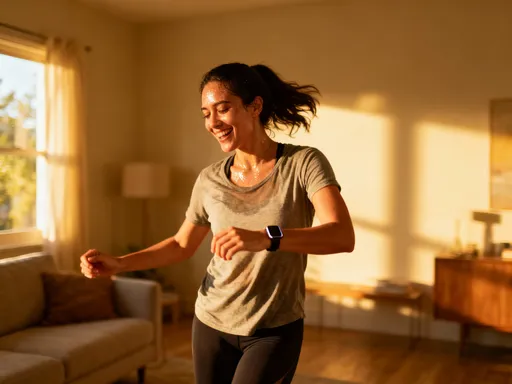
For years, my approach to fitness followed a predictable cycle: sign up for a gym membership, attend religiously for three weeks, then fade into silence. The routine felt mechanical—treadmill, weights, stretch, repeat. I’d leave exhausted, not energized. The real issue wasn’t lack of willpower; it was lack of joy. Then one rainy afternoon, with a favorite playlist on shuffle, I found myself swaying in the kitchen. Within minutes, I was full-on dancing—no mirror, no audience, just movement. That night, I slept deeper. The next morning, I woke without the usual grogginess. My shoulders felt lighter, my thoughts clearer. It wasn’t a dramatic transformation, but it was real.
That small shift sparked a curiosity: was dancing actually doing something measurable for my body? I’d always assumed structured workouts were the only path to fitness, but this felt different. There was no countdown timer, no instructor shouting reps. Yet I’d broken a sweat, smiled more than usual, and felt emotionally lifted. Unlike the gym, I didn’t dread it. In fact, I looked forward to it. The turning point came when I realized sustainability wasn’t about discipline—it was about desire. If I wanted to keep moving, I needed to enjoy it. Dance wasn’t a replacement for fitness; it was a revelation. It proved that movement could be both effective and deeply personal.
What surprised me most was how quickly it improved my mood. On days I danced, even briefly, I handled household tasks with more patience and responded to my family with greater presence. I wasn’t just burning calories—I was regulating my nervous system. The emotional release was immediate. It wasn’t until I started tracking that I could connect these feelings to physical changes, but the initial clue was undeniable: dancing didn’t just occupy my body; it restored it.
Why Fast Movement Matters: The Science Behind Dance as Fitness
Dance is often seen as artistic expression, not physical training. But from a physiological standpoint, it’s a full-body workout disguised as play. Fast-paced movement—like salsa, hip-hop, or even freestyle jumping to pop music—naturally elevates heart rate, engaging the cardiovascular system in a way similar to running or cycling. A 30-minute dance session can burn between 150 and 300 calories, depending on intensity and body weight. More importantly, it does so without the monotony of repetitive motions. The brain stays engaged, reacting to rhythm, adjusting balance, and coordinating limbs in unpredictable patterns.
What sets dance apart from traditional cardio is neuromuscular engagement. While jogging follows a predictable stride, dance requires constant micro-adjustments. Shifting weight, turning, pausing, accelerating—each movement challenges coordination and proprioception, the body’s sense of where it is in space. Over time, this improves balance and reduces fall risk, especially important as we age. Additionally, many dance styles incorporate squats, lunges, and core engagement, building functional strength without a single gym machine. It’s fitness that doesn’t announce itself as such.
Another advantage is sustainability. Because dance is inherently variable, the body doesn’t adapt as quickly to the routine. This prevents plateaus common in repetitive workouts. The brain also benefits from the cognitive load of remembering steps or improvising to music, which stimulates neural plasticity. Studies have shown that rhythmic movement combined with music enhances memory and focus, particularly in adults over 40. Dance, in essence, is not just movement—it’s a dynamic conversation between body and mind, one that keeps both sharp and resilient.
From Guesswork to Data: My First Steps in Health Monitoring
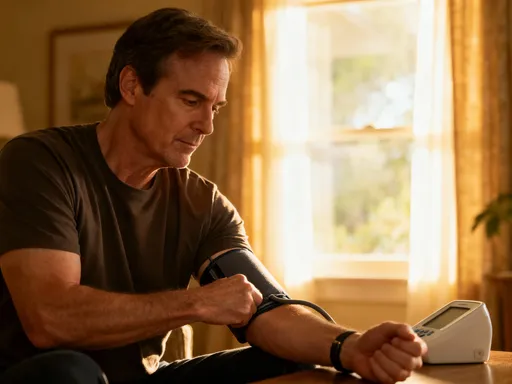
At first, I resisted tracking. I associated it with strict diets or obsessive fitness goals—numbers that dictated worth. But I realized monitoring didn’t have to be punitive. It could be informative. So I started small: a basic fitness tracker clipped to my waistband, logging heart rate and sleep. I also opened a notes app on my phone and created a simple daily log: one line for energy (rated 1 to 5), one for mood (also 1 to 5), and a brief note on what kind of movement I’d done. No rules, no pressure—just observation.
The first week revealed patterns I hadn’t noticed. On days I danced for at least 20 minutes, my resting heart rate dropped by an average of 8 beats per minute the following morning. My sleep quality improved—fewer awakenings, longer deep sleep cycles. Most surprising was the mood lift. Even on stressful days, if I danced before dinner, my mood rating jumped from a 2 or 3 to a 4 or 5 within 30 minutes. The data didn’t lie: movement was regulating my physiology in real time.
I began to see my body not as a problem to fix, but as a system sending signals. Elevated resting heart rate? That often meant I was stressed or hadn’t moved enough the day before. Poor sleep? Usually followed a sedentary day. The tracker didn’t judge—it reflected. And that changed my relationship with health. Instead of asking, “Am I doing enough?” I started asking, “What is my body telling me?” This subtle shift turned self-care from a chore into a dialogue. Monitoring became less about control and more about connection.
What My Body Was Trying to Tell Me (And How I Finally Listened)
One morning, my resting heart rate was 12 beats higher than usual. I felt fine—no headache, no fatigue—so I almost ignored it. But because I’d been tracking for several weeks, I knew this wasn’t normal for me. I reviewed my log and realized I’d skipped movement for two days due to a busy schedule. That same week, I’d been more irritable with my children and struggled to focus at work. The elevated heart rate wasn’t random; it was my body’s early warning system. I responded by scheduling a 15-minute dance break that afternoon. By evening, my heart rate had normalized, and I felt calmer.
This experience taught me that physical symptoms often appear before emotional or mental ones. Fatigue, tension, and brain fog aren’t isolated issues—they’re interconnected signals of imbalance. Tracking helped me catch these signals early, before they escalated into burnout. For example, I noticed that on days I didn’t move at all, my energy dipped sharply by mid-afternoon, and I reached for sugary snacks. But if I danced in the morning, even for 10 minutes, my energy stayed steady, and my cravings diminished. The data made the invisible visible.
Another key insight was the impact of timing. Evening dancing, especially to upbeat music, sometimes made it harder to fall asleep, despite being tired. But when I switched to slower, flowing movements—like gentle swaying or stretching with music—my sleep improved. Monitoring revealed that not all movement is equal at all times. My body responded differently based on rhythm, intensity, and time of day. This wasn’t about rigid rules; it was about learning my unique rhythm. Listening to data helped me honor it.
Building a Smarter Routine: Matching Dance Styles to Health Goals
Once I understood how my body responded, I began tailoring my dance sessions to my needs. I stopped treating dance as a one-size-fits-all workout. Instead, I treated it like a toolkit. On low-energy days, I chose slow, rhythmic movements—swaying side to side, gentle arm waves, or rotating my hips in circles. These weren’t vigorous, but they got my blood flowing and eased stiffness. I paired them with calming music, like acoustic guitar or soft jazz, and noticed they helped me transition from work mode to home mode without emotional fatigue.
On days when I needed a boost, I turned to faster rhythms. A 15-minute burst of energetic dancing to pop or Latin music would elevate my heart rate into the aerobic zone, sharpening my focus and lifting my mood almost instantly. I used my tracker to confirm I was in the right zone—around 60 to 75 percent of my maximum heart rate—and stopped when I felt energized, not exhausted. This prevented overexertion while still gaining benefits.
I also experimented with structured vs. freestyle dancing. Following a short online routine provided mental engagement and a sense of accomplishment. Freestyle dancing, on the other hand, offered emotional release and creativity. Both had value, but for different reasons. Tracking helped me decide which to choose. If my mood was low, freestyle often worked better. If I felt scattered, a structured routine helped me regain focus. Dance became not just movement, but a form of self-awareness in motion.
Small Shifts, Big Gains: The Unexpected Benefits Beyond Fitness
The most profound changes weren’t physical—they were cognitive and emotional. After six weeks of consistent dancing and tracking, I noticed I could concentrate longer on tasks without distraction. My mental fog, especially in the afternoon, lifted. I stopped reaching for coffee out of habit and only drank it when I truly wanted it. My decision-making improved; I felt less reactive and more thoughtful in conversations. These weren’t dramatic shifts, but they accumulated into a greater sense of stability.
One workday, a last-minute deadline triggered what would have been my usual stress spiral. But instead of panicking, I took a 10-minute dance break. I played an upbeat song, moved freely, and focused only on the rhythm. When I returned to my desk, my breathing was steady, and I approached the task with clarity. I handled the deadline without snapping at my family later—a small victory, but one that reflected deeper resilience.
Another unexpected benefit was emotional regulation. I’ve always been prone to rumination—replaying conversations or worrying about the future. But dancing created a natural interruption to that cycle. The act of moving to music demanded presence. I couldn’t simultaneously overthink and follow a beat. Over time, this built a mental habit of returning to the present. I began to recognize when I was spiraling and used short dance breaks as resets. It wasn’t avoidance; it was recalibration. And because I tracked it, I could see the pattern: on days I moved, my emotional resilience was stronger.
Your Turn: Making Health Visible Through Joyful Movement
You don’t need a dance background, a perfect body, or expensive equipment to start. The goal isn’t performance—it’s awareness. Begin by choosing a style of music you genuinely enjoy. It could be anything: country, classical, reggae, oldies. Play it for 10 to 15 minutes and move however feels natural. Don’t worry about steps or technique. Just sway, step, bounce, or wave your arms. Let your body respond to the rhythm.
Next, pick one metric to track. It could be your heart rate before and after, your energy level on a scale of 1 to 5, or your mood. Use a simple app or notebook. Do this for one week. Don’t aim for perfection—aim for consistency. Notice how you feel during and after. Look for patterns over time. Did dancing improve your sleep? Did it help you handle stress more calmly? Let the data guide you, not judge you.
Remember, the point isn’t to turn every day into a workout. It’s to create moments of connection between your body and mind. If you’re tired, move slowly. If you’re energized, go faster. Let your needs guide your rhythm. Over time, you’ll develop an intuitive sense of what your body requires. And that’s the real power of tracking—not numbers, but insight. Not discipline, but responsiveness. Health becomes less about effort and more about listening.
Conclusion: When Motion Meets Awareness, Health Comes Alive
Health isn’t a destination marked by a number on a scale or a fitness test. It’s a daily experience—a feeling of lightness, clarity, and resilience. My journey with dance and tracking taught me that movement doesn’t have to be punishing to be powerful. Joy is not the opposite of discipline; it’s the foundation of sustainability. When we align what we do with what we enjoy, we stop counting days and start living them.
Tracking didn’t turn me into a data-obsessed machine. It turned me into a better listener. It helped me recognize the subtle signals my body had been sending for years—signals I’d ignored in favor of quick fixes or rigid routines. Dance became the bridge between effort and ease, between measurement and meaning. It reminded me that health is not just about living longer, but about feeling more alive in the moments that make up a life.
For women in their 30s, 40s, and 50s—juggling family, work, and personal well-being—this approach offers something rare: simplicity with depth. It doesn’t require hours of time or a complete lifestyle overhaul. It starts with a song, a few minutes, and a willingness to pay attention. When motion meets awareness, health stops being an abstract goal and becomes a lived reality. And sometimes, it begins with nothing more than pressing play and letting your body lead.