Calm Mind, Younger You: How Emotional Balance Keeps You Feeling Fresh
We all want to age gracefully, but what if the secret isn’t just in creams or diets? I’ve noticed something powerful—when I manage my emotions better, I feel lighter, sleep deeper, and even my skin glows more. Stress ages us from the inside out. After testing small daily habits that calm my mind, the changes were real. This isn’t magic—it’s science. Let me share how emotional balance quietly became my most effective anti-aging move.
The Hidden Link Between Emotions and Aging
Emotional health and physical aging are deeply connected, though this connection is often overlooked. While many focus on external signs of aging—wrinkles, gray hair, slower movement—the internal processes influenced by emotions play a far greater role than commonly understood. Chronic emotional stress, in particular, sends repeated signals through the body that accelerate the aging process at a cellular level. This isn’t just about feeling tired or overwhelmed; it’s about how long-term emotional imbalance affects the very structure of our cells.
One of the most well-documented biological pathways involves cortisol, the primary stress hormone. When emotions like anxiety, frustration, or fear are frequent or prolonged, cortisol levels remain elevated. Over time, this disrupts numerous bodily systems, including metabolism, immune function, and cardiovascular health. But perhaps most significant is cortisol’s effect on telomeres—tiny protective caps at the ends of our chromosomes that shorten each time a cell divides. Shorter telomeres are strongly associated with aging and age-related diseases. Research within the scientific community indicates that individuals under persistent emotional strain tend to have shorter telomeres, suggesting their cells are aging faster than their chronological age would indicate.
Emotional regulation, therefore, is not merely a tool for mental well-being—it’s a form of longevity support. When we learn to process emotions without being overwhelmed by them, we reduce the biological wear and tear that contributes to premature aging. This shift doesn’t require dramatic changes. Instead, it begins with awareness: recognizing when emotions are running high and choosing responses that restore balance rather than fuel reactivity. In this way, emotional intelligence becomes a quiet guardian of youth, protecting the body from the invisible toll of unresolved stress.
Why Emotional Chaos Speeds Up Aging
Unmanaged emotions don’t just affect mood—they trigger a cascade of physiological responses that mimic the effects of aging. When emotional turbulence becomes a regular part of daily life, the body remains in a state of low-grade alert, even if no immediate danger exists. This chronic activation of the stress response leads to systemic inflammation, one of the key drivers of aging. Inflammation, in small doses, is a natural and necessary part of healing. But when it becomes persistent, it damages tissues, weakens the immune system, and increases the risk of conditions often associated with aging, such as joint stiffness, cognitive decline, and cardiovascular issues.
Oxidative stress is another consequence of emotional imbalance. This occurs when there’s an excess of free radicals—unstable molecules that damage cells—and insufficient antioxidants to neutralize them. Chronic stress increases the production of free radicals, overwhelming the body’s natural defenses. Over time, this cellular damage accumulates, contributing to the visible and invisible signs of aging, from dull skin and thinning hair to reduced energy and slower recovery from illness. The body, constantly reacting to emotional upheaval, has fewer resources available for repair and renewal.
Hormonal imbalance further compounds these effects. Beyond cortisol, chronic emotional strain disrupts the delicate equilibrium of hormones that regulate sleep, appetite, metabolism, and mood. For example, disrupted melatonin production due to stress can lead to poor sleep quality, which in turn affects skin repair, cognitive function, and emotional resilience the following day. Insulin sensitivity may also decline, increasing the risk of weight gain and metabolic slowdown—both commonly experienced as we age. These changes are not inevitable consequences of getting older; they are often accelerated by the way we respond to daily emotional challenges.
Consider the woman who worries constantly about her responsibilities, replaying conversations and anticipating problems. Or the one who reacts quickly to minor frustrations, feeling her heart race and muscles tense. These patterns, when repeated daily, keep the nervous system in a state of hyperarousal. The body doesn’t distinguish between emotional and physical threats—it responds the same way. Over months and years, this constant state of readiness wears down the body’s systems, making recovery slower and resilience weaker. The key is not to eliminate emotions, which are natural and necessary, but to reduce their intensity and duration. Learning to pause, breathe, and respond rather than react can break this cycle and slow the biological clock.
The Anti-Aging Power of Emotional Stability
When emotional balance is achieved, the benefits extend far beyond mental clarity—they manifest in physical vitality. People who maintain emotional stability often report deeper, more restful sleep. This is no coincidence. A calm mind supports the natural release of melatonin, the hormone that regulates sleep-wake cycles. Quality sleep, in turn, allows the body to repair tissues, regenerate skin cells, and consolidate memories. It’s during these quiet hours that the body performs its most essential maintenance, and emotional calm creates the internal environment needed for this process to occur efficiently.
Skin health is another visible indicator of emotional well-being. The skin is highly responsive to stress hormones. When cortisol levels are high, the skin produces more oil, becomes more sensitive, and heals more slowly. This can lead to breakouts, dryness, and a lackluster complexion. Conversely, when stress is managed, the skin often appears clearer, more hydrated, and more radiant. Many women notice that their skin glows more during periods of emotional peace, even without changing their skincare routine. This suggests that emotional regulation acts as a form of internal skincare—one that works from the inside out.
Immune function also strengthens with emotional balance. Chronic stress suppresses the immune system, making the body more vulnerable to infections and slower to recover. In contrast, emotional stability supports a more responsive and resilient immune system. This means fewer colds, faster healing, and a greater sense of physical well-being. Energy levels, too, improve. Without the constant drain of emotional reactivity, the body conserves energy that can be redirected toward activity, creativity, and engagement with life.
It’s not unusual to meet someone who appears younger than their age. While genetics and lifestyle choices play a role, emotional balance is often an unspoken factor. These individuals tend to move through life with a sense of ease, handling challenges without becoming overwhelmed. Their calm presence isn’t just a personality trait—it’s a reflection of physiological advantage. By managing their emotional responses, they reduce the internal stress that accelerates aging. Their bodies aren’t fighting constant internal battles, so they age more gracefully. This isn’t about perfection; it’s about consistency. Small, daily choices to return to calm—through breath, reflection, or mindful pauses—add up to a significant difference over time.
Simple Mind-Body Practices That Work
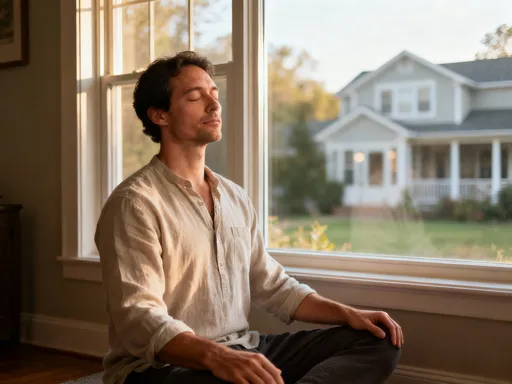
Fortunately, cultivating emotional balance doesn’t require hours of meditation or drastic lifestyle changes. Simple, accessible practices can make a meaningful difference when practiced consistently. One of the most effective is mindful breathing. Taking just a few minutes each day to focus on slow, deep breaths activates the parasympathetic nervous system—the body’s natural relaxation response. This simple act signals the brain that it’s safe to relax, lowering heart rate, reducing muscle tension, and decreasing cortisol levels. Over time, this practice helps reset the body’s stress threshold, making it easier to stay calm in challenging moments.
Journalling is another powerful tool. Writing down thoughts and emotions helps process them rather than letting them build up internally. It creates space between feeling and reaction, allowing for greater clarity and perspective. You don’t need to write pages—just a few sentences each day can help release emotional tension. Over time, patterns may emerge, revealing triggers and opportunities for change. This practice supports emotional awareness, which is the foundation of regulation.
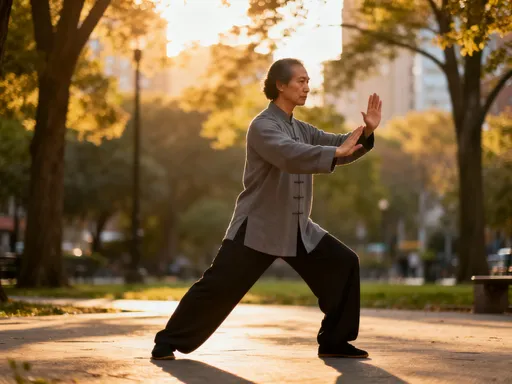
Nature walks offer a dual benefit: physical movement and sensory grounding. Being in nature has been shown to reduce stress hormones and improve mood. The rhythm of walking, combined with the sights and sounds of the natural world, helps quiet the mind and restore balance. Even a 15-minute walk in a park can shift your emotional state, especially when you pay attention to your surroundings—the feel of the breeze, the sound of birds, the colors of the trees. This form of mindful movement reconnects you with the present moment, interrupting cycles of worry or rumination.
Digital detoxing is increasingly important in our always-connected world. Constant notifications, social media comparisons, and information overload contribute to emotional fatigue. Setting boundaries around screen time—such as no devices during meals or an hour before bed—creates space for calm. Replacing evening scrolling with reading, gentle stretching, or quiet conversation supports emotional winding down and improves sleep quality. These small shifts in daily habits compound over time, leading to greater emotional resilience and a more youthful sense of well-being.
Building an Emotion-Smart Daily Routine
Integrating emotional care into daily life doesn’t require overhauling your schedule. The key is to build small, sustainable habits that fit naturally into your existing routine. One effective approach is habit stacking—pairing a new emotional practice with an established behavior. For example, after brushing your teeth in the morning, spend two minutes doing mindful breathing. After lunch, take a short walk outside. Before bed, write down one thing you’re grateful for. These tiny actions, linked to familiar routines, are more likely to stick.
A sample emotion-smart routine might begin with a morning reflection. Instead of reaching for your phone, take a few quiet moments to check in with how you’re feeling. This sets a tone of awareness for the day. During the midday pause—perhaps during a break or after finishing a task—take three deep breaths or step outside for fresh air. This brief reset helps prevent emotional buildup. In the evening, create a wind-down ritual: dim the lights, put away screens, and engage in a calming activity like reading or light stretching. This prepares both mind and body for restful sleep.
Consistency matters more than intensity. Practicing mindful breathing for one minute daily is more beneficial than doing it for ten minutes once a week. The goal is to create a rhythm of emotional check-ins throughout the day, not to achieve perfection. Over time, these moments of pause become anchors, helping you return to balance even during busy or stressful periods. The routine isn’t about adding more to your plate—it’s about weaving emotional care into the fabric of your day.
Another helpful strategy is to identify emotional triggers and plan responses in advance. For instance, if traffic makes you anxious, keep a calming playlist or audiobook ready. If family demands leave you feeling drained, schedule short breaks to recharge. Anticipating challenges and having simple tools ready makes it easier to respond with calm rather than react with stress. This proactive approach empowers you to take charge of your emotional well-being, reducing the cumulative toll of daily strain.
Real Changes, Real Results
When emotional management becomes a consistent priority, the changes are often noticeable—not just in how you feel, but in how you function. Many women report improved focus and mental clarity after incorporating daily mindfulness practices. Without the constant background noise of worry or emotional reactivity, the mind feels sharper and more present. This enhanced cognitive function supports better decision-making, increased productivity, and greater enjoyment of daily activities.
Physical symptoms linked to stress also tend to decrease. Tension headaches, often triggered by emotional strain, become less frequent. Muscle tightness in the neck, shoulders, and back eases as the body learns to release stored tension. Digestive comfort may improve, since stress significantly affects gut health. These shifts are not just about feeling better in the moment—they reflect a body that is no longer under constant internal siege.
Energy levels often rise, not because of dramatic lifestyle changes, but because emotional regulation conserves energy. When you’re not expending mental and physical resources on chronic stress, more energy is available for living fully. This renewed vitality can transform how you experience your day—making it easier to stay active, engage with loved ones, and pursue interests that bring joy.
Perhaps most importantly, a greater sense of control emerges. Life will always have challenges, but emotional balance changes how you relate to them. Instead of feeling overwhelmed, you develop the ability to pause, assess, and respond thoughtfully. This sense of agency is deeply empowering. It’s not about avoiding difficulties, but about building resilience. Over time, this shift contributes to slower aging markers—not through magic, but through the steady accumulation of calm, conscious choices.
Making Peace with Emotions for Lifelong Vitality
True emotional balance isn’t about suppressing feelings or pretending everything is fine. It’s about making peace with emotions—acknowledging them, understanding their message, and responding in ways that support well-being. Emotions are not enemies; they are signals. Anger may indicate a boundary has been crossed. Sadness may point to a loss that needs honoring. Anxiety may highlight a concern that deserves attention. When we learn to listen to these signals without being ruled by them, we gain wisdom and strength.
This approach fosters a sustainable form of self-care that supports graceful aging. Rather than fighting against emotions, we learn to move with them—like a skilled sailor adjusting the sails to the wind. This doesn’t mean reacting less; it means responding more wisely. It’s a practice of presence, patience, and self-compassion. Over time, this builds emotional resilience—the ability to navigate life’s ups and downs without losing balance.
Emotional intelligence, cultivated through daily awareness and small practices, becomes a quiet superpower. It doesn’t draw attention to itself, yet its effects are profound. It supports better relationships, clearer thinking, and a body that ages with dignity and strength. Unlike fleeting trends or expensive treatments, this form of anti-aging is accessible to anyone willing to practice. It requires no special equipment, only a commitment to showing up for yourself, one breath, one moment, one choice at a time.
In the journey toward lifelong vitality, emotional balance is not a luxury—it’s a necessity. It protects the body from the hidden wear of chronic stress, supports natural repair processes, and enhances the quality of daily life. By honoring our emotions as valuable guides rather than threats, we unlock a deeper, more enduring form of youth—one that radiates from within. The path to feeling fresh isn’t found in a bottle or a procedure. It’s found in the quiet moments of awareness, the intentional breath, the choice to respond with calm. This is the true secret of graceful aging: a calm mind, a balanced heart, and a body that remembers how to renew.